


- Afhalen na 1 uur in een winkel met voorraad
- Gratis thuislevering in België vanaf € 30
- Ruim aanbod met 7 miljoen producten
- Afhalen na 1 uur in een winkel met voorraad
- Gratis thuislevering in België vanaf € 30
- Ruim aanbod met 7 miljoen producten





Omschrijving
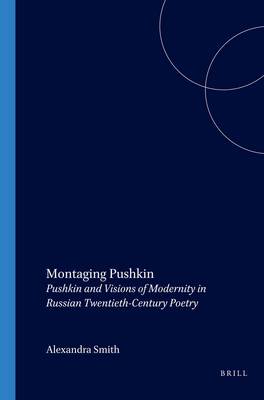
Montaging Pushkin offers for the first time a coherent view of Pushkin's legacy to Russian twentieth-century poetry, giving many new insights. Pushkin is shown to be a Russian forerunner of Baudelaire. Furthermore it is argued that the rise of the Russian and European novel largely changed the ways Russian poets have looked at themselves and at poetic language; that novelisation of poetry is detectable in the major works of poetry that engaged in a creative dialogue with Pushkin, and that polyphonic lyric has been achieved. Alexandra Smith locates significant examples of Pushkin's cinematographic cognition of reality, suggesting that such dynamic descriptions of Petersburg helped create a highly original animated image of the city as comic apocalypse, which followers of Pushkin appropriated very successfully even as far as the late twentieth century. Montaging Pushkin will be of interest to all students of Russian poetry, as well as specialists in literary theory, European studies and the history of ideas.
Specificaties
Betrokkenen
- Auteur(s):
- Uitgeverij:
Inhoud
- Aantal bladzijden:
- 364
- Taal:
- Engels
- Reeks:
- Reeksnummer:
- nr. 46
Eigenschappen
- Productcode (EAN):
- 9789042020122
- Verschijningsdatum:
- 1/01/2006
- Uitvoering:
- Paperback
- Formaat:
- Trade paperback (VS)
- Afmetingen:
- 155 mm x 234 mm
- Gewicht:
- 503 g


Alleen bij Standaard Boekhandel
+ 357 punten op je klantenkaart van Standaard Boekhandel
CADEAU


Beoordelingen
We publiceren alleen reviews die voldoen aan de voorwaarden voor reviews. Bekijk onze voorwaarden voor reviews.