


- Afhalen na 1 uur in een winkel met voorraad
- Gratis thuislevering in België vanaf € 30
- Ruim aanbod met 7 miljoen producten
- Afhalen na 1 uur in een winkel met voorraad
- Gratis thuislevering in België vanaf € 30
- Ruim aanbod met 7 miljoen producten





€ 24,45
+ 48 punten
Uitvoering
Omschrijving
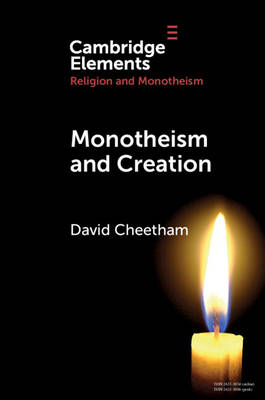
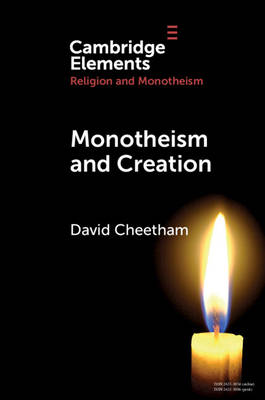
This Element discusses the idea of creation ex nihilo as an expression of monotheistic belief mainly with reference to Jewish and Christian traditions. It outlines the philosophical and theological discussion about monotheism and creation, considering key historical figures such as Philo, Irenaeus, Augustine, and Aquinas as well as contemporary thinkers. It reviews key topics such as divine sovereignty, the goodness of creation, pantheism, process, and feminist thinking on creation. It argues for creation ex nihilo over other models. In particular, it examines the notion of 'creaturehood' as an overlooked and under-developed dimension in contemporary debates about the relationship between created humanity and the one God. The doctrine of creation does not just address the question of origins, it also serves to affirm the finite or immanent aspects of life.
Specificaties
Betrokkenen
- Auteur(s):
- Uitgeverij:
Inhoud
- Aantal bladzijden:
- 75
- Taal:
- Engels
- Reeks:
Eigenschappen
- Productcode (EAN):
- 9781009357418
- Verschijningsdatum:
- 11/12/2025
- Uitvoering:
- Paperback
- Formaat:
- Trade paperback (VS)
- Afmetingen:
- 152 mm x 229 mm
- Gewicht:
- 99 g


Alleen bij Standaard Boekhandel
+ 48 punten op je klantenkaart van Standaard Boekhandel
Cadeau

AANGERADEN


Beoordelingen
We publiceren alleen reviews die voldoen aan de voorwaarden voor reviews. Bekijk onze voorwaarden voor reviews.