


- Afhalen na 1 uur in een winkel met voorraad
- Gratis thuislevering in België vanaf € 30
- Ruim aanbod met 7 miljoen producten
- Afhalen na 1 uur in een winkel met voorraad
- Gratis thuislevering in België vanaf € 30
- Ruim aanbod met 7 miljoen producten





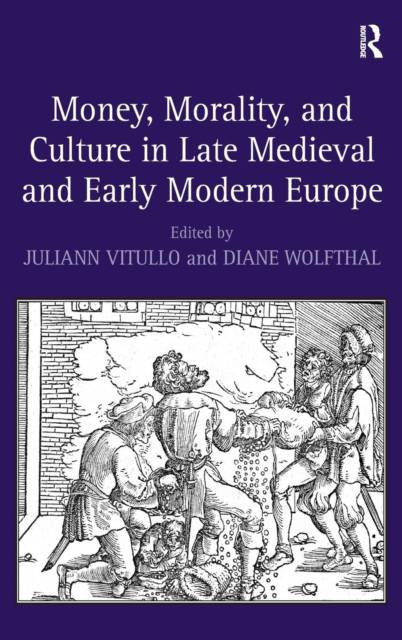
Money, Morality, and Culture in Late Medieval and Early Modern Europe
Diane Wolfthal
Hardcover | Engels
€ 343,45
+ 686 punten
Uitvoering
Omschrijving
One of the first volumes to explore the intersection of economics, morality, and culture, this collection analyzes the role of the developing monetary economy in Western Europe from the twelfth to the seventeenth century. The contributors"scholars from the fields of history, literature, art history and musicology"explore how money infiltrated every aspect of everyday life, modified notions of social identity, and encouraged debates about ethical uses of wealth.
Specificaties
Betrokkenen
- Auteur(s):
- Uitgeverij:
Inhoud
- Aantal bladzijden:
- 262
- Taal:
- Engels
Eigenschappen
- Productcode (EAN):
- 9780754664970
- Verschijningsdatum:
- 28/05/2010
- Uitvoering:
- Hardcover
- Formaat:
- Genaaid
- Afmetingen:
- 156 mm x 234 mm
- Gewicht:
- 544 g



Alleen bij Standaard Boekhandel
+ 686 punten op je klantenkaart van Standaard Boekhandel
Cadeau

AANGERADEN


Beoordelingen
We publiceren alleen reviews die voldoen aan de voorwaarden voor reviews. Bekijk onze voorwaarden voor reviews.