


- Afhalen na 1 uur in een winkel met voorraad
- Gratis thuislevering in België vanaf € 30
- Ruim aanbod met 7 miljoen producten
- Afhalen na 1 uur in een winkel met voorraad
- Gratis thuislevering in België vanaf € 30
- Ruim aanbod met 7 miljoen producten





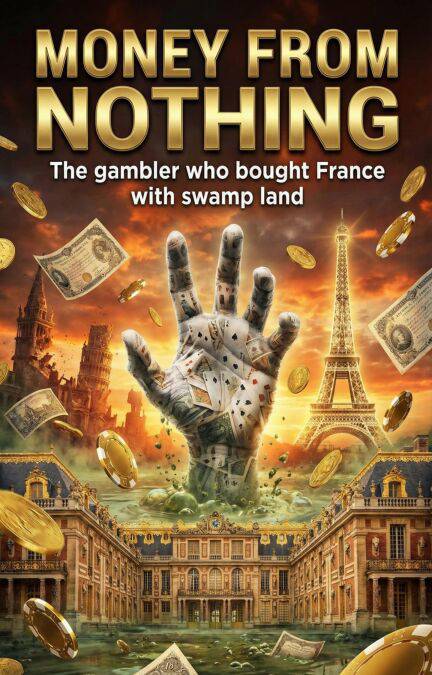
Money from Nothing E-BOOK
The gambler who bought France with swamp land
William Hayes
E-book | Engels
€ 4,99
+ 4 punten
Omschrijving
"Money from Nothing – The gambler who bought France with swamp land" tells the story of John Law, a Scottish murderer and gambling genius who became the richest man in Europe. In 1716, he convinced the French Regent to let him establish a central bank and issue paper money—a revolutionary concept at the time.
Financial historian William Hayes chronicles the "Mississippi Bubble." Law created a company to exploit the riches of Louisiana. He sold shares to the French public, sparking a mania. The problem? Louisiana was mostly an undeveloped swamp, not a gold mine.
When the truth came out, the bubble burst, destining France for revolution. This book explains the invention of modern finance (and its inherent fragility). It shows how Law's dream of a paper economy was centuries ahead of its time, but failed because it was built on a foundation of mud and lies.
Financial historian William Hayes chronicles the "Mississippi Bubble." Law created a company to exploit the riches of Louisiana. He sold shares to the French public, sparking a mania. The problem? Louisiana was mostly an undeveloped swamp, not a gold mine.
When the truth came out, the bubble burst, destining France for revolution. This book explains the invention of modern finance (and its inherent fragility). It shows how Law's dream of a paper economy was centuries ahead of its time, but failed because it was built on a foundation of mud and lies.
Specificaties
Betrokkenen
- Auteur(s):
- Uitgeverij:
Inhoud
- Aantal bladzijden:
- 154
- Taal:
- Engels
Eigenschappen
- Productcode (EAN):
- 9783565225842
- Verschijningsdatum:
- 4/02/2026
- Uitvoering:
- E-book
- Formaat:
- ePub


Alleen bij Standaard Boekhandel
+ 4 punten op je klantenkaart van Standaard Boekhandel
Cadeau

AANGERADEN


Beoordelingen
We publiceren alleen reviews die voldoen aan de voorwaarden voor reviews. Bekijk onze voorwaarden voor reviews.