


- Afhalen na 1 uur in een winkel met voorraad
- Gratis thuislevering in België vanaf € 30
- Ruim aanbod met 7 miljoen producten
- Afhalen na 1 uur in een winkel met voorraad
- Gratis thuislevering in België vanaf € 30
- Ruim aanbod met 7 miljoen producten





€ 135,95
+ 271 punten
Omschrijving
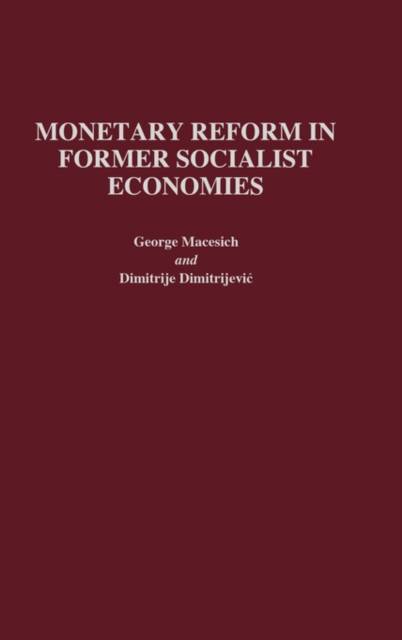
Radical change seems to be the only panacea for inefficient economies. This work takes a look at the financial system and its function in socialist central planning economies. It provides an explanation of the partial reforms in socialist economies from the 1950s to 1988. With Yugoslavia as the example, the work discusses financial and monetary reforms and adjustments in socialist economies. An explanation of monetary reform includes the changes in the role of financial intermediation and monetary policy goals, target and instruments, and methodological questions. General conclusions about recent monetary reforms in socialist economies completes the discussion. Scholars, students, and those interested in comparative, developmental, international, and historical economics will find this a valuable resource and interesting reading. It is an especially useful book at the graduate and seminar level.
Specificaties
Betrokkenen
- Auteur(s):
- Uitgeverij:
Inhoud
- Aantal bladzijden:
- 160
- Taal:
- Engels
- Reeks:
Eigenschappen
- Productcode (EAN):
- 9780275950088
- Verschijningsdatum:
- 12/12/1994
- Uitvoering:
- Hardcover
- Formaat:
- Genaaid
- Afmetingen:
- 162 mm x 243 mm
- Gewicht:
- 453 g



Alleen bij Standaard Boekhandel
+ 271 punten op je klantenkaart van Standaard Boekhandel
Cadeau

AANGERADEN


Beoordelingen
We publiceren alleen reviews die voldoen aan de voorwaarden voor reviews. Bekijk onze voorwaarden voor reviews.