



- Afhalen na 1 uur in een winkel met voorraad
- In januari gratis thuislevering in België
- Ruim aanbod met 7 miljoen producten
- Afhalen na 1 uur in een winkel met voorraad
- In januari gratis thuislevering in België
- Ruim aanbod met 7 miljoen producten





Omschrijving
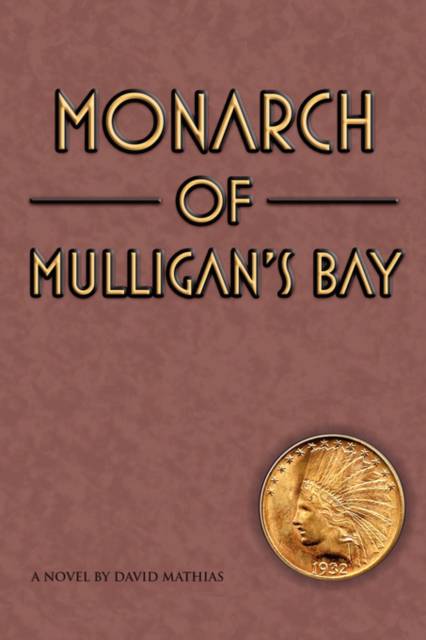
A priest cannot disclose what is told to him in the confessional, even if he is later abandoned by his church and confined to a mental institution for the criminally insane. He can however, share a riddle with a young maintenance man who keeps him company on his lunch breaks by playing chess and solving his brainteasers. The priest's final riddle is given to Donnie Fuller in 1966 on the night before the convicts' death. In the 1930's, Chicago gangster's making a fortune in bootlegging made their way into northern Wisconsin to elude government agents. One mob boss, paranoid that the serial numbers on his cash were being traced, elects to covert his wealth into gold coins. Three of his men have the task of exchanging cash for gold at dozens of small banks throughout the Midwest. Bootlegging was in its final days and suspecting that their usefulness might be coming to an end, they decide to keep the last shipment of gold - 300 pounds worth. One summer night in 1933, a chance encounter with the Chicago mobsters makes Ed Rayburn, the proprietor of a small gas station, the beneficiary of the mobster's gold. But the government passed a law prohibiting citizens from using gold as legal tender and the gas station owner believes the gangsters will be coming back to claim what was theirs. Suspecting that he will never be able to spend the Chicago mobs gold that he knows the g-men are looking for and fearing that the mob will come to kill him, he buries it. Paranoia and fear drive the man to disguise everything he owns by turning his quiet country gas station into a junkyard. On his quest to solve his friend's final riddle, Donnie buys the junkyard, which triggers the end of his marriage and the beginning of his curious but warm romance with his new neighbor Annie. The couple works diligently to solve the mystery of what happened that rainy night in 1933. Many details develop but the fortune is elusive. Interpreting the limerick requires Donnie to be fortune hunter by day and a maintenance man by night through a journey that spans fourteen years.
Specificaties
Betrokkenen
- Auteur(s):
- Uitgeverij:
Inhoud
- Aantal bladzijden:
- 236
- Taal:
- Engels
Eigenschappen
- Productcode (EAN):
- 9781438937168
- Verschijningsdatum:
- 4/12/2008
- Uitvoering:
- Paperback
- Formaat:
- Trade paperback (VS)
- Afmetingen:
- 152 mm x 229 mm
- Gewicht:
- 349 g


Alleen bij Standaard Boekhandel
+ 57 punten op je klantenkaart van Standaard Boekhandel
Cadeau

AANGERADEN


Beoordelingen
We publiceren alleen reviews die voldoen aan de voorwaarden voor reviews. Bekijk onze voorwaarden voor reviews.