


- Afhalen na 1 uur in een winkel met voorraad
- Gratis thuislevering in België vanaf € 30
- Ruim aanbod met 7 miljoen producten
- Afhalen na 1 uur in een winkel met voorraad
- Gratis thuislevering in België vanaf € 30
- Ruim aanbod met 7 miljoen producten





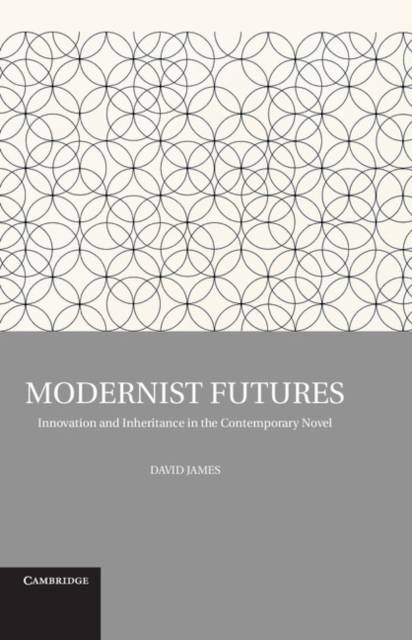
Modernist Futures
Innovation and Inheritance in the Contemporary Novel
David James
Hardcover | Engels
€ 183,45
Omschrijving
In Modernist Futures, David James examines the implications of modernism's continuity in late twentieth- and twenty-first-century writing by tracing its political and ethical valences in emerging novelistic practices. Focusing on the work of J. M. Coetzee, Milan Kundera, Ian McEwan, Toni Morrison, Michael Ondaatje, and Phillip Roth, James reconsiders the purpose of literary innovation as it relates to the artistic and cultural interventions such writers perform. By rethinking critical and disciplinary parameters, James brings scholarship on contemporary fiction into dialogue with modernist studies, offering a nuanced account of narrative strategies that sheds new light on the form of the novel today. An ambitious and incisive contribution to the field, this book will appeal especially to scholars of modernism and contemporary literary culture as well as those in American and postcolonial studies.
Specificaties
Betrokkenen
- Auteur(s):
- Uitgeverij:
Inhoud
- Aantal bladzijden:
- 238
- Taal:
- Engels
Eigenschappen
- Productcode (EAN):
- 9781107022478
- Verschijningsdatum:
- 27/08/2012
- Uitvoering:
- Hardcover
- Formaat:
- Genaaid
- Afmetingen:
- 150 mm x 229 mm
- Gewicht:
- 521 g


Alleen bij Standaard Boekhandel
Cadeau

AANGERADEN


Beoordelingen
We publiceren alleen reviews die voldoen aan de voorwaarden voor reviews. Bekijk onze voorwaarden voor reviews.