


- Afhalen na 1 uur in een winkel met voorraad
- Gratis thuislevering in België vanaf € 30
- Ruim aanbod met 7 miljoen producten
- Afhalen na 1 uur in een winkel met voorraad
- Gratis thuislevering in België vanaf € 30
- Ruim aanbod met 7 miljoen producten




€ 172,95
+ 345 punten
Uitvoering
Omschrijving
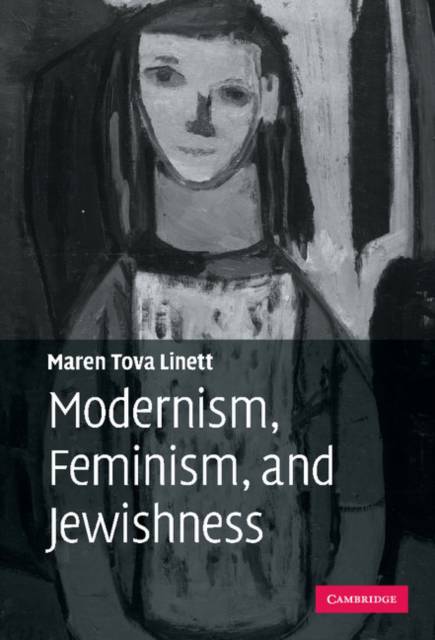
Modernism, Feminism, and Jewishness explores the aesthetic and political roles performed by Jewish characters in women's fiction between the World Wars. Focusing mainly on British modernism, it argues that female authors enlist a multifaceted vision of Jewishness to help them shape fictions that are thematically daring and formally experimental. Maren Linett analyzes the meanings and motifs that Virginia Woolf, Jean Rhys, Sylvia Townsend Warner, Dorothy Richardson, and Djuna Barnes associate with Jewishness. The writers' simultaneous identification with and distancing from Jews produced complex portrayals in which Jews serve at times as models for the authors' art, and at times as foils against which their writing is defined. By examining the political and literary power of Semitic discourse for these key women authors, Linett fills a significant gap in the account of the cultural and literary forces that shaped modernism.
Specificaties
Betrokkenen
- Auteur(s):
- Uitgeverij:
Inhoud
- Aantal bladzijden:
- 242
- Taal:
- Engels
Eigenschappen
- Productcode (EAN):
- 9780521880978
- Verschijningsdatum:
- 18/10/2007
- Uitvoering:
- Hardcover
- Formaat:
- Genaaid
- Afmetingen:
- 152 mm x 229 mm
- Gewicht:
- 544 g


Alleen bij Standaard Boekhandel
+ 345 punten op je klantenkaart van Standaard Boekhandel
AANGERADEN


Beoordelingen
We publiceren alleen reviews die voldoen aan de voorwaarden voor reviews. Bekijk onze voorwaarden voor reviews.