


- Afhalen na 1 uur in een winkel met voorraad
- Gratis thuislevering in België vanaf € 30
- Ruim aanbod met 7 miljoen producten
- Afhalen na 1 uur in een winkel met voorraad
- Gratis thuislevering in België vanaf € 30
- Ruim aanbod met 7 miljoen producten




€ 100,95
Uitvoering
Omschrijving
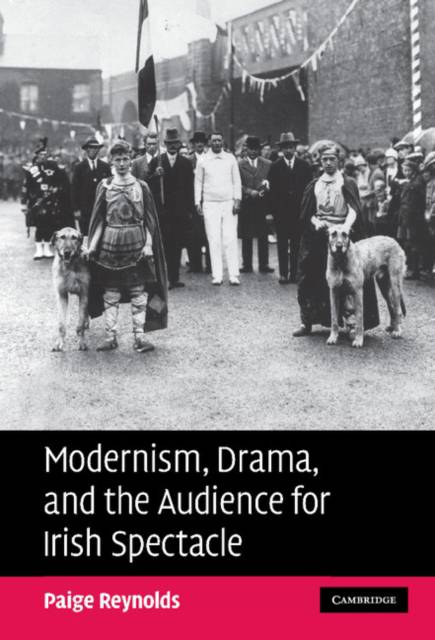
Employing previously unexamined archival material, Paige Reynolds reconstructs five large-scale public events in early twentieth-century Irish culture: the riotous premiere of J. M. Synge's The Playboy of the Western World in 1907; the events of Dublin Suffrage Week, including the Irish premiere of Ibsen's Rosmersholm, in 1913; the funeral processions of the playwright and Lord Mayor of Cork Terence MacSwiney in 1920; the sporting and arts competitions of the Tailteann Games in 1924; and the organized protests accompanying the premiere of Sean O'Casey's The Plough and the Stars in 1926. The book provides attentive readings of the literature and theatre famously produced in tandem with these events, as well as introducing surprising texts that made valuable contributions to Irish national theatre. This detailed study revises pessimistic explanations of twentieth-century mass politics and crowd dynamics by introducing a more sympathetic account of national communities and national sentiment.
Specificaties
Betrokkenen
- Auteur(s):
- Uitgeverij:
Inhoud
- Aantal bladzijden:
- 268
- Taal:
- Engels
Eigenschappen
- Productcode (EAN):
- 9780521872997
- Verschijningsdatum:
- 10/01/2008
- Uitvoering:
- Hardcover
- Formaat:
- Ongenaaid / garenloos gebonden
- Afmetingen:
- 160 mm x 234 mm
- Gewicht:
- 571 g


Alleen bij Standaard Boekhandel
Cadeau

AANGERADEN


Beoordelingen
We publiceren alleen reviews die voldoen aan de voorwaarden voor reviews. Bekijk onze voorwaarden voor reviews.