


- Afhalen na 1 uur in een winkel met voorraad
- Gratis thuislevering in België vanaf € 30
- Ruim aanbod met 7 miljoen producten
- Afhalen na 1 uur in een winkel met voorraad
- Gratis thuislevering in België vanaf € 30
- Ruim aanbod met 7 miljoen producten




€ 67,95
+ 135 punten
Omschrijving
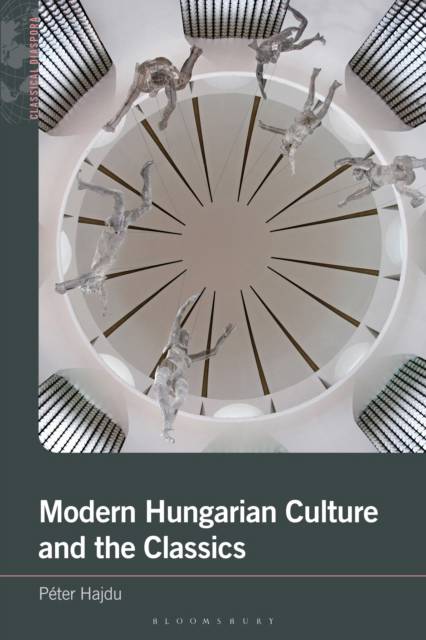
Péter Hajdu examines the cultivation of the Classics as an intellectual framework and crucial ingredient of the western aspect of Hungarian national identity. This book approaches the relationship of modern Hungarian culture to classical heritage from the various viewpoints of identity politics, education, translation history, scholarship, and its impact on literature. When the Hungarian nation-building project developed ideas of national identity, it necessarily incorporated the historical narrative according to which the Hungarians arrived at their current homeland in the Middle Ages, and only later did it adopt European culture. The duplicity of a mostly imagined Asian, pagan, barbaric or nomadic culture, and a Western, Christian, civilized identity, deeply rooted in European culture, has played and continues to play a role in the Hungarian discourse.
Hajdu also studies the gradual disappearance of classics from the Hungarian school education since the 19th century, which has been accompanied by fervid political debates. However, over this period, translations of classical texts paradoxically became more frequent and popular with the decline of a classical education, even though fewer readers had access to the original texts. Despite this change, the translation strategies tended to remain school-bound. The knowledge of classical literature still leaves traces on Hungarian literature, which Hajdu explores using examples from nineteenth-century novels and contemporary poetry. This book sheds light on a topic of classical reception that has remained largely unexplored in this part of Europe, but one which has an incredibly rich history, culture and literary tradition.
Hajdu also studies the gradual disappearance of classics from the Hungarian school education since the 19th century, which has been accompanied by fervid political debates. However, over this period, translations of classical texts paradoxically became more frequent and popular with the decline of a classical education, even though fewer readers had access to the original texts. Despite this change, the translation strategies tended to remain school-bound. The knowledge of classical literature still leaves traces on Hungarian literature, which Hajdu explores using examples from nineteenth-century novels and contemporary poetry. This book sheds light on a topic of classical reception that has remained largely unexplored in this part of Europe, but one which has an incredibly rich history, culture and literary tradition.
Specificaties
Betrokkenen
- Auteur(s):
- Uitgeverij:
Inhoud
- Aantal bladzijden:
- 232
- Taal:
- Engels
- Reeks:
Eigenschappen
- Productcode (EAN):
- 9781350258167
- Verschijningsdatum:
- 22/01/2026
- Uitvoering:
- Paperback
- Formaat:
- Trade paperback (VS)
- Afmetingen:
- 156 mm x 234 mm
- Gewicht:
- 326 g


Alleen bij Standaard Boekhandel
+ 135 punten op je klantenkaart van Standaard Boekhandel
Cadeau

AANGERADEN


Beoordelingen
We publiceren alleen reviews die voldoen aan de voorwaarden voor reviews. Bekijk onze voorwaarden voor reviews.