


- Afhalen na 1 uur in een winkel met voorraad
- Gratis thuislevering in België vanaf € 30
- Ruim aanbod met 7 miljoen producten
- Afhalen na 1 uur in een winkel met voorraad
- Gratis thuislevering in België vanaf € 30
- Ruim aanbod met 7 miljoen producten





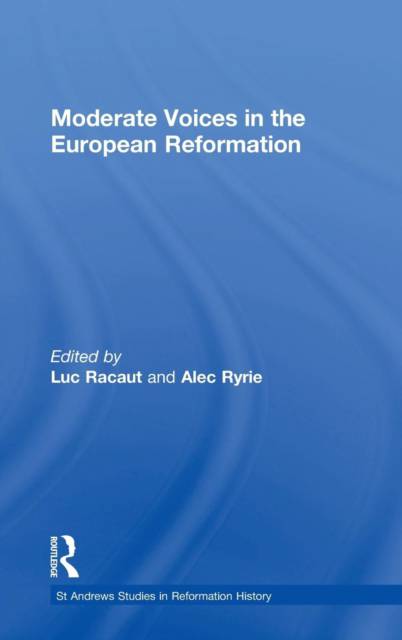
Moderate Voices in the European Reformation
€ 305,45
+ 610 punten
Omschrijving
'Moderation' in Reformation Europe was in short supply. Yet numerous individuals and regimes found themselves forced into positions of moderation as they were caught in the crossfire of confessional debate. Presenting individual case studies and national attempts at conciliation, this collection of essays outlines various approaches towards understanding moderation in Reformation Europe and examines the way moderation was perceived and manipulated in an age of confessional conflict.
Specificaties
Betrokkenen
- Uitgeverij:
Inhoud
- Aantal bladzijden:
- 234
- Taal:
- Engels
- Reeks:
Eigenschappen
- Productcode (EAN):
- 9780754650218
- Verschijningsdatum:
- 18/07/2005
- Uitvoering:
- Hardcover
- Formaat:
- Genaaid
- Afmetingen:
- 156 mm x 234 mm
- Gewicht:
- 503 g

Alleen bij Standaard Boekhandel
+ 610 punten op je klantenkaart van Standaard Boekhandel
Cadeau

AANGERADEN


Beoordelingen
We publiceren alleen reviews die voldoen aan de voorwaarden voor reviews. Bekijk onze voorwaarden voor reviews.