



- Afhalen na 1 uur in een winkel met voorraad
- In januari gratis thuislevering in België
- Ruim aanbod met 7 miljoen producten
- Afhalen na 1 uur in een winkel met voorraad
- In januari gratis thuislevering in België
- Ruim aanbod met 7 miljoen producten





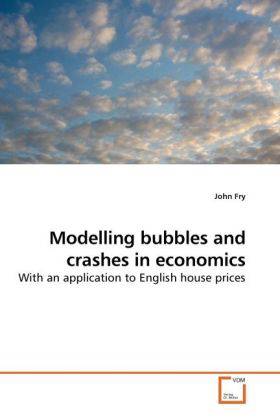
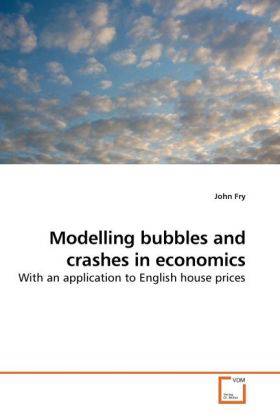
Modelling bubbles and crashes in economics
With an application to English house prices
John Fry
Paperback | Engels
€ 48,45
+ 96 punten
Omschrijving
The idea has recently emerged from the physics literature that it might be possible to develop a mathematical theory of financial crashes. This book deals with practical statistical aspects of the theory. A probabilistic model for bubbles is developed and applied to the recent English housing bubble. It is found that there was a nationwide housing bubble in English house prices in the years 2002-2007. Typically prices were 30-40% over-valued and fell around 20%. London is atypical in that the level of over-pricing was lower, only around 20%, and experienced a drop in prices of only around 15%. There is also some suggestion of contagious effects, with the bubble in London affecting prices in Yorkshire and the North. Additional topics discussed include the application of power-laws to market crashes and methods for illiquidity crisis models dealing with the transfer of shocks across economic systems. This work will be of interest to market analysts and those at the interface of academic and commercial work in particular. Whilst containing some deeply mathematical themes, the book is nonetheless intended to be usable and some computer code is contained in an Appendix.
Specificaties
Betrokkenen
- Auteur(s):
- Uitgeverij:
Inhoud
- Aantal bladzijden:
- 68
- Taal:
- Engels
Eigenschappen
- Productcode (EAN):
- 9783639228717
- Verschijningsdatum:
- 30/03/2010
- Uitvoering:
- Paperback
- Afmetingen:
- 152 mm x 229 mm
- Gewicht:
- 113 g


Alleen bij Standaard Boekhandel
+ 96 punten op je klantenkaart van Standaard Boekhandel
Cadeau

AANGERADEN


Beoordelingen
We publiceren alleen reviews die voldoen aan de voorwaarden voor reviews. Bekijk onze voorwaarden voor reviews.