


- Afhalen na 1 uur in een winkel met voorraad
- Gratis thuislevering in België vanaf € 30
- Ruim aanbod met 7 miljoen producten
- Afhalen na 1 uur in een winkel met voorraad
- Gratis thuislevering in België vanaf € 30
- Ruim aanbod met 7 miljoen producten





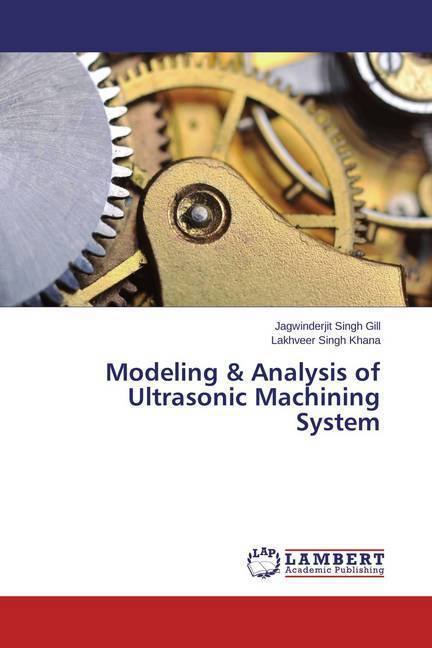
Modeling & Analysis of Ultrasonic Machining System
Jagwinderjit Singh Gill, Lakhveer Singh Khana
Paperback | Engels
€ 54,45
+ 108 punten
Omschrijving
Ultrasonic machining is one of the most widely used non-traditional machining processes for the machining of non-conductive, brittle materials including glass, ceramics, carbides, and graphite. Ultrasonic machining is an abrasive process, and material removal is purely mechanical. The process does not cause heat affected zone and any chemical or electrical alterations on work piece surface. It does not change the metallurgical, chemical or physical properties of the work pieces. Ultrasonic machine four different mechanisms are responsible for removal of material from the work surface. Material removed by direct hammering of abrasive particles on the work piece, Micro chipping by impact of free moving particles, Cavitations effect from the abrasive slurry, Chemical action associated with the fluid used. This study presents a new methodology for evaluation, ranking and selection of parameters of Ultrasonic machine by using (multiple attribute decision making) MADM approach.
Specificaties
Betrokkenen
- Auteur(s):
- Uitgeverij:
Inhoud
- Aantal bladzijden:
- 120
- Taal:
- Engels
Eigenschappen
- Productcode (EAN):
- 9783659370694
- Verschijningsdatum:
- 2/10/2015
- Uitvoering:
- Paperback
- Afmetingen:
- 150 mm x 220 mm
- Gewicht:
- 176 g


Alleen bij Standaard Boekhandel
+ 108 punten op je klantenkaart van Standaard Boekhandel
Cadeau

AANGERADEN


Beoordelingen
We publiceren alleen reviews die voldoen aan de voorwaarden voor reviews. Bekijk onze voorwaarden voor reviews.