


- Afhalen na 1 uur in een winkel met voorraad
- Gratis thuislevering in België vanaf € 30
- Ruim aanbod met 7 miljoen producten
- Afhalen na 1 uur in een winkel met voorraad
- Gratis thuislevering in België vanaf € 30
- Ruim aanbod met 7 miljoen producten





€ 154,95
+ 309 punten
Omschrijving
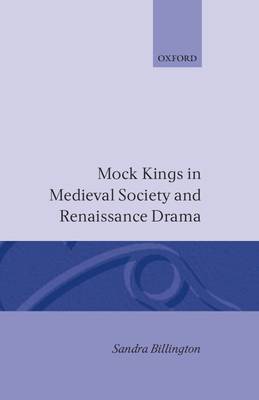
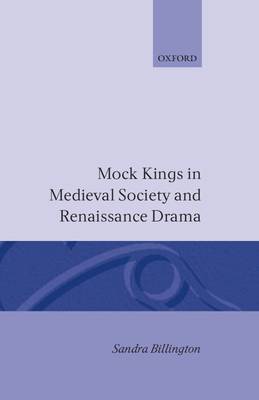
King-led outlaw defiance, riotous lords of misrule, proud midsummer mock kings, and stately Inns-of-Court princes--in diverse ways all were reflections of the dominant social order from the medieval to early Stuart periods and, as this new book makes clear, all influenced the writings of Shakespeare and his contemporaries. Billington considers kingship in the light of contemporary accounts of elected kings in outlaw and rebel groups, and compares them with the phenomenon of festive mock kings. The result is a complex picture of interrelation between festive and more serious opposition to the dominant order, as well as the discovery of a midsummer mock-king play tradition. She then looks at the professional theater of the period, demonstrating that mock-king patterns form the structure of many scripted plays, and highlighting Shakespeare's genius in transforming such inherited structures into complex works of art.
Specificaties
Betrokkenen
- Auteur(s):
- Uitgeverij:
Inhoud
- Aantal bladzijden:
- 300
- Taal:
- Engels
Eigenschappen
- Productcode (EAN):
- 9780198119678
- Verschijningsdatum:
- 16/05/1991
- Uitvoering:
- Hardcover
- Formaat:
- Genaaid
- Afmetingen:
- 140 mm x 216 mm
- Gewicht:
- 526 g


Alleen bij Standaard Boekhandel
+ 309 punten op je klantenkaart van Standaard Boekhandel
Cadeau

AANGERADEN


Beoordelingen
We publiceren alleen reviews die voldoen aan de voorwaarden voor reviews. Bekijk onze voorwaarden voor reviews.