


- Afhalen na 1 uur in een winkel met voorraad
- Gratis thuislevering in België vanaf € 30
- Ruim aanbod met 7 miljoen producten
- Afhalen na 1 uur in een winkel met voorraad
- Gratis thuislevering in België vanaf € 30
- Ruim aanbod met 7 miljoen producten





€ 69,45
+ 138 punten
Uitvoering
Omschrijving
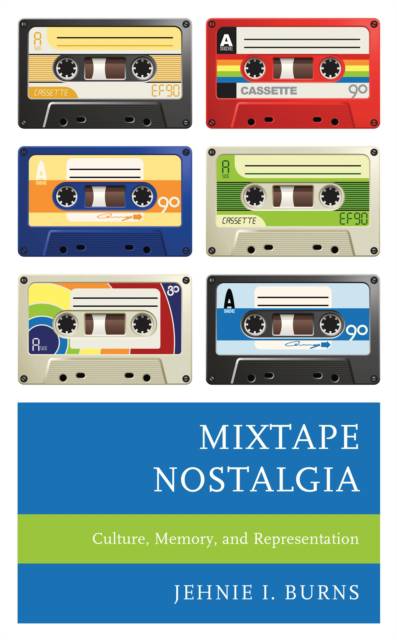
Mixtape Nostalgia: Culture, Memory, and Representation tells the story of the mixtape from its history in 1970s bootlegging to its resurgence as an icon of nostalgic analog technology. Burns looks at the history of the mixtape from the early 1980s and the rise of the cassette as a fundamental aspect of the music industry. Stories from music fans collecting hip hop mixtapes in the Bronx or recording songs off the radio permeate the book. She discusses the continued contemporary appeal of the mixtape as musicians, novelists, memoirists, playwrights, and even podcasters have used it as a metaphor for connection and identity. From Rob Sheffield's Love is a Mix Tape to Questlove's Mixtape Potluck Cookbook, Burns analyzes how the mixtape can function as a plot point, a stand-in for emotional connection, or an organizing structure. The book shows how creators use the iconography of the mixtape cassette to create ephemera, from coffee subscriptions to board games, which speaks to the appreciation of the tangible and the analog. The desire to find connection through sharing a physical artifact permeates the various creative uses of the mixtape. From blockbuster films like Guardians of the Galaxy to mixtape throw pillows, Burns highlights the mixtape as a site of collective memory tied to youth culture, community identity, and sharing music.
Specificaties
Betrokkenen
- Auteur(s):
- Uitgeverij:
Inhoud
- Aantal bladzijden:
- 278
- Taal:
- Engels
- Reeks:
Eigenschappen
- Productcode (EAN):
- 9781793616814
- Verschijningsdatum:
- 12/04/2023
- Uitvoering:
- Paperback
- Formaat:
- Trade paperback (VS)
- Afmetingen:
- 152 mm x 229 mm
- Gewicht:
- 376 g


Alleen bij Standaard Boekhandel
+ 138 punten op je klantenkaart van Standaard Boekhandel
Cadeau

AANGERADEN


Beoordelingen
We publiceren alleen reviews die voldoen aan de voorwaarden voor reviews. Bekijk onze voorwaarden voor reviews.