Standaard Boekhandel gebruikt cookies en gelijkaardige technologieën om de website goed te laten werken en je een betere surfervaring te bezorgen.
Hieronder kan je kiezen welke cookies je wilt inschakelen:
Technische en functionele cookies
Deze cookies zijn essentieel om de website goed te laten functioneren, en laten je toe om bijvoorbeeld in te loggen. Je kan deze cookies niet uitschakelen.
Analytische cookies
Deze cookies verzamelen anonieme informatie over het gebruik van onze website. Op die manier kunnen we de website beter afstemmen op de behoeften van de gebruikers.
Marketingcookies
Deze cookies delen je gedrag op onze website met externe partijen, zodat je op externe platformen relevantere advertenties van Standaard Boekhandel te zien krijgt.
Je cadeautjes zeker op tijd in huis hebben voor de feestdagen? Kom langs in onze winkels en vind het perfecte geschenk!
Afhalen na 1 uur in een winkel met voorraad
Gratis thuislevering in België vanaf € 30
Ruim aanbod met 7 miljoen producten
Je cadeautjes zeker op tijd in huis hebben voor de feestdagen? Kom langs in onze winkels en vind het perfecte geschenk!
Je kan maximaal 250 producten tegelijk aan je winkelmandje toevoegen. Verwijdere enkele producten uit je winkelmandje, of splits je bestelling op in meerdere bestellingen.
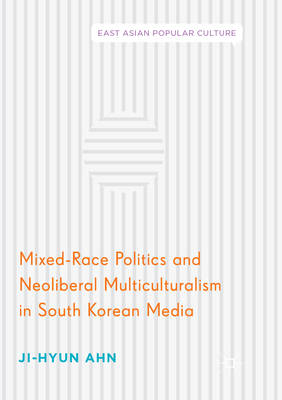
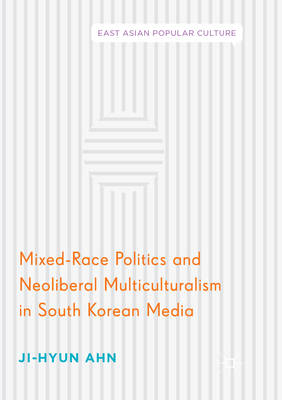
This book studies how the increase of visual representation of mixed-race Koreans formulates a particular racial project in contemporary South Korean media. It explores the moments of ruptures and disjuncture that biracial bodies bring to the formation of neoliberal multiculturalism, a South Korean national racial project that re-aligns racial lines under the nation's neoliberal transformation. Specifically, Ji-Hyun Ahn examines four televised racial moments that demonstrate particular aspects of neoliberal multiculturalism by demanding distinct ways of re-imagining what it means to be Korean in the contemporary era of globalization. Taking a critical media/cultural studies approach, Ahn engages with materials from archives, the popular press, policy documents, television commercials, and television programs as an inter-textual network that actively negotiates and formulates a new racialized national identity. In doing so, the book provides a rich analysis of the ongoing struggle over racial reconfiguration in South Korean popular media, advancing an emerging scholarly discussion on race as a leading factor of social change in South Korea.