


- Afhalen na 1 uur in een winkel met voorraad
- Gratis thuislevering in België vanaf € 30
- Ruim aanbod met 7 miljoen producten
- Afhalen na 1 uur in een winkel met voorraad
- Gratis thuislevering in België vanaf € 30
- Ruim aanbod met 7 miljoen producten




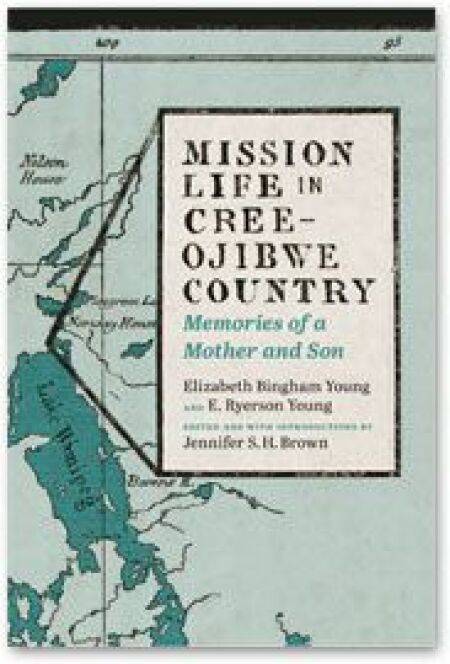
Mission Life in Cree-Ojibwe Country E-BOOK
Memories of a Mother and Son
Elizabeth Bingham Young, E. Ryerson Young
€ 19,99
+ 19 punten
Omschrijving
In May of 1868, Elizabeth Bingham Young and her new husband, Egerton Ryerson Young, began a long journey from Hamilton, Ontario, to the Methodist mission of Rossville. For the next eight years, Elizabeth supported her husband’s work at two mission houses, Norway House and then Berens River. Unprepared for the difficult conditions and the “eight months long” winter, and unimpressed with “eating fish twenty-one times a week,” the young Upper Canada wife rose to the challenge. In these remote outposts, she gave birth to three children, acted as a nurse and doctor, and applied both perseverance and determination to learning Cree, while also coping with poverty and short supplies within her community. Her account of mission life, as seen through the eyes of a woman, is the first of its kind to be archived and now to appear in print.
Accompanying Elizabeth’s memoir, and offering a counterpoint to it, are the reminiscences of her eldest son, “Eddie.” Born at Norway House in 1869 and nursed by a Cree woman from infancy, Eddie was immersed in local Cree and Ojibwe life, culture, and language, in many ways exemplifying the process of reverse acculturation often in evidence among the children of missionaries. Like those of his mother, Eddie’s memories capture the sensory and emotional texture of mission life, providing a portrait that is startling in its immediacy.
Skillfully woven together and meticulously annotated by Jennifer Brown, these two remarkable recollections of mission life are an invaluable addition to the fields of religious, missionary, and Aboriginal history. In their power to resurrect experience, they are also a fascination to read.
Accompanying Elizabeth’s memoir, and offering a counterpoint to it, are the reminiscences of her eldest son, “Eddie.” Born at Norway House in 1869 and nursed by a Cree woman from infancy, Eddie was immersed in local Cree and Ojibwe life, culture, and language, in many ways exemplifying the process of reverse acculturation often in evidence among the children of missionaries. Like those of his mother, Eddie’s memories capture the sensory and emotional texture of mission life, providing a portrait that is startling in its immediacy.
Skillfully woven together and meticulously annotated by Jennifer Brown, these two remarkable recollections of mission life are an invaluable addition to the fields of religious, missionary, and Aboriginal history. In their power to resurrect experience, they are also a fascination to read.
Specificaties
Betrokkenen
- Auteur(s):
- Uitgeverij:
Inhoud
- Aantal bladzijden:
- 336
- Taal:
- Engels
- Reeks:
Eigenschappen
- Productcode (EAN):
- 9781771990059
- Verschijningsdatum:
- 28/12/2014
- Uitvoering:
- E-book
- Beveiligd met:
- Digital watermarking
- Formaat:
- ePub


Alleen bij Standaard Boekhandel
+ 19 punten op je klantenkaart van Standaard Boekhandel
AANGERADEN


Beoordelingen
We publiceren alleen reviews die voldoen aan de voorwaarden voor reviews. Bekijk onze voorwaarden voor reviews.