


- Afhalen na 1 uur in een winkel met voorraad
- Gratis thuislevering in België vanaf € 30
- Ruim aanbod met 7 miljoen producten
- Afhalen na 1 uur in een winkel met voorraad
- Gratis thuislevering in België vanaf € 30
- Ruim aanbod met 7 miljoen producten





€ 40,95
+ 81 punten
Eenvoudig bestellen
Veilig betalen


Gratis thuislevering vanaf € 30 (via bpost)
Gratis levering in je Standaard Boekhandel
Omschrijving
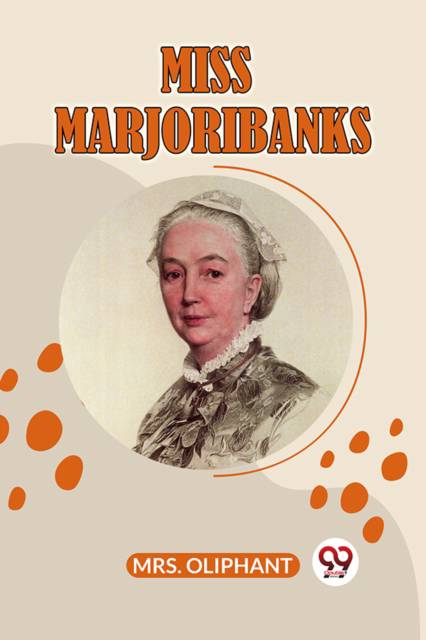
"Miss Marjoribanks" is a singular written via Margaret Oliphant underneath the pseudonym Mrs. Oliphant. This Victorian novel is a compelling exploration of the life and objectives of its protagonist, Lucilla Marjoribanks. Set in the fictional Scottish metropolis of Carlingford, the tale follows the shrewd and decided Lucilla as she returns domestic after the loss of life of her father. With a keen experience of social strategy, Lucilla embarks on a mission to raise her social standing and make a mark in town's social scene. Lucilla's character is a charming study of Victorian womanhood, navigating societal expectations, relationships, and private aspirations. The novel delves into themes of love, marriage, and the limitations imposed on ladies in the 19th century. Lucilla's wit and strategic mind end up significant to her tries to shape her future and impact the ones around her. Mrs. Oliphant's writing captures the nuances of Victorian society, providing a wealthy tapestry of characters and social dynamics. "Miss Marjoribanks" is widely known for its insightful portrayal of the complexities of lady company in a society limited by means of culture. The novel remains a traditional example of Victorian literature, exploring the challenges and aspirations of girls in the nineteenth century.
Specificaties
Betrokkenen
- Auteur(s):
- Uitgeverij:
Inhoud
- Aantal bladzijden:
- 430
- Taal:
- Engels
Eigenschappen
- Productcode (EAN):
- 9789360463595
- Verschijningsdatum:
- 1/01/2024
- Uitvoering:
- Paperback
- Formaat:
- Trade paperback (VS)
- Afmetingen:
- 140 mm x 216 mm
- Gewicht:
- 544 g


Alleen bij Standaard Boekhandel
+ 81 punten op je klantenkaart van Standaard Boekhandel
CADEAU

AANGERADEN


Beoordelingen
We publiceren alleen reviews die voldoen aan de voorwaarden voor reviews. Bekijk onze voorwaarden voor reviews.