


- Afhalen na 1 uur in een winkel met voorraad
- Gratis thuislevering in België vanaf € 30
- Ruim aanbod met 7 miljoen producten
- Afhalen na 1 uur in een winkel met voorraad
- Gratis thuislevering in België vanaf € 30
- Ruim aanbod met 7 miljoen producten





€ 44,45
+ 88 punten
Uitvoering
Omschrijving
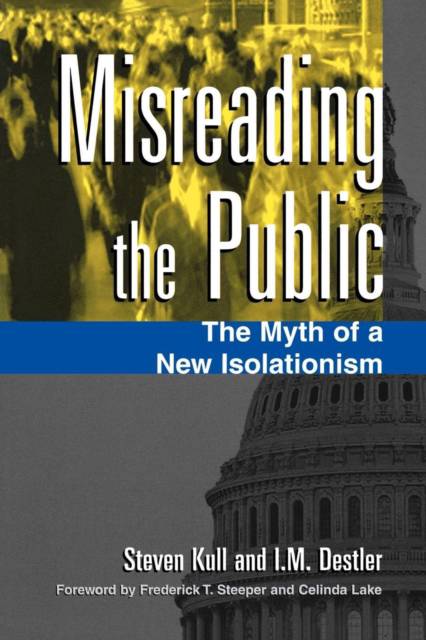
Do American policymakers really know what the American public wants in U.S. foreign policy? Through extensive interviews with members of the policy community, the authors reveal a pervasive belief--especially in Congress--that, in the wake of the cold war, the public is showing a new isolationism: opposition to foreign aid, hostility to the United Nations, and aversion to contributing U.S. troops to peacekeeping operations. This view of the public has in turn had a significant impact on U.S. foreign policy. However, through a comprehensive review of polling data, as well as focus groups, the authors show that all these beliefs about the public are myths. The public does complain that the United States is playing the role of dominant world leader more than it should, but this does not lead to a desire to withdraw. Instead people prefer to share responsibility with other nations, particularly through the UN. The authors offer explanations of how such a misperception can occur and suggest ways to improve communication between the public and policymakers, including better presentation of polling data and more attention by practitioners to a wider public.
Specificaties
Betrokkenen
- Auteur(s):
- Uitgeverij:
Inhoud
- Aantal bladzijden:
- 330
- Taal:
- Engels
Eigenschappen
- Productcode (EAN):
- 9780815717652
- Verschijningsdatum:
- 1/01/1999
- Uitvoering:
- Paperback
- Formaat:
- Trade paperback (VS)
- Afmetingen:
- 153 mm x 229 mm
- Gewicht:
- 439 g



Alleen bij Standaard Boekhandel
+ 88 punten op je klantenkaart van Standaard Boekhandel
Cadeau

AANGERADEN


Beoordelingen
We publiceren alleen reviews die voldoen aan de voorwaarden voor reviews. Bekijk onze voorwaarden voor reviews.