


- Afhalen na 1 uur in een winkel met voorraad
- Gratis thuislevering in België vanaf € 30
- Ruim aanbod met 7 miljoen producten
- Afhalen na 1 uur in een winkel met voorraad
- Gratis thuislevering in België vanaf € 30
- Ruim aanbod met 7 miljoen producten





€ 55,48
+ 110 punten
Omschrijving
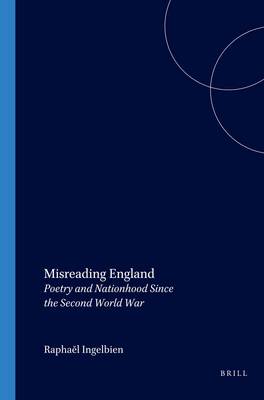
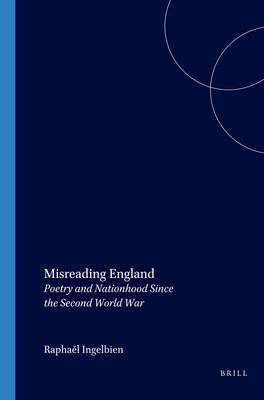
In Misreading England: Poetry and Nationhood Since the Second World War, Raphaël Ingelbien examines how issues of nationhood have affected the works and the reception of several English and Irish poets - Philip Larkin, Ted Hughes, Geoffrey Hill and Seamus Heaney. This study explores the interactions between post-war English poets and the ways in which they transformed or misread earlier poetic visions of England - Romantic, Georgian, Modernist. It also traces often neglected but crucial links between their troubled poetics of Englishness and Seamus Heaney's poetry of Irish nationhood. This radically intertextual approach takes issue with influential accounts of post-war poetry that have drawn on postcolonialism. Instead of being made to reflect contemporary agendas, the poetics of nationhood are here considered in all their textual and ideological complexity, and restored to the historical, intellectual and literary contexts which postcolonial emphases on identity often play down or simplify. Whereas critics in post-devolution Britain increasingly use texts to debunk or promote specific versions of national identity, this study interrogates the very terms in which the debate has been conducted. Its metacritical analyses expose the contradictions of identity politics, and its intertextual readings help re-draw the map of post-war poetry in Britain and Ireland.
Specificaties
Betrokkenen
- Auteur(s):
- Uitgeverij:
Inhoud
- Aantal bladzijden:
- 252
- Taal:
- Engels
- Reeks:
- Reeksnummer:
- nr. 142
Eigenschappen
- Productcode (EAN):
- 9789042011236
- Verschijningsdatum:
- 1/01/2002
- Uitvoering:
- Paperback
- Formaat:
- Trade paperback (VS)
- Afmetingen:
- 155 mm x 234 mm
- Gewicht:
- 371 g


Alleen bij Standaard Boekhandel
+ 110 punten op je klantenkaart van Standaard Boekhandel
Cadeau

AANGERADEN


Beoordelingen
We publiceren alleen reviews die voldoen aan de voorwaarden voor reviews. Bekijk onze voorwaarden voor reviews.