Standaard Boekhandel gebruikt cookies en gelijkaardige technologieën om de website goed te laten werken en je een betere surfervaring te bezorgen.
Hieronder kan je kiezen welke cookies je wilt inschakelen:
Technische en functionele cookies
Deze cookies zijn essentieel om de website goed te laten functioneren, en laten je toe om bijvoorbeeld in te loggen. Je kan deze cookies niet uitschakelen.
Analytische cookies
Deze cookies verzamelen anonieme informatie over het gebruik van onze website. Op die manier kunnen we de website beter afstemmen op de behoeften van de gebruikers.
Marketingcookies
Deze cookies delen je gedrag op onze website met externe partijen, zodat je op externe platformen relevantere advertenties van Standaard Boekhandel te zien krijgt.
Bedankt voor het vertrouwen het afgelopen jaar! Om jou te bedanken bieden we GRATIS verzending (in België) aan op alles gedurende de hele maand januari.
Afhalen na 1 uur in een winkel met voorraad
In januari gratis thuislevering in België
Ruim aanbod met 7 miljoen producten
Bedankt voor het vertrouwen het afgelopen jaar! Om jou te bedanken bieden we GRATIS verzending (in België) aan op alles gedurende de hele maand januari.
Je kan maximaal 250 producten tegelijk aan je winkelmandje toevoegen. Verwijdere enkele producten uit je winkelmandje, of splits je bestelling op in meerdere bestellingen.
In januari gratis thuislevering in België (via bpost)
Gratis levering in je Standaard Boekhandel
Omschrijving
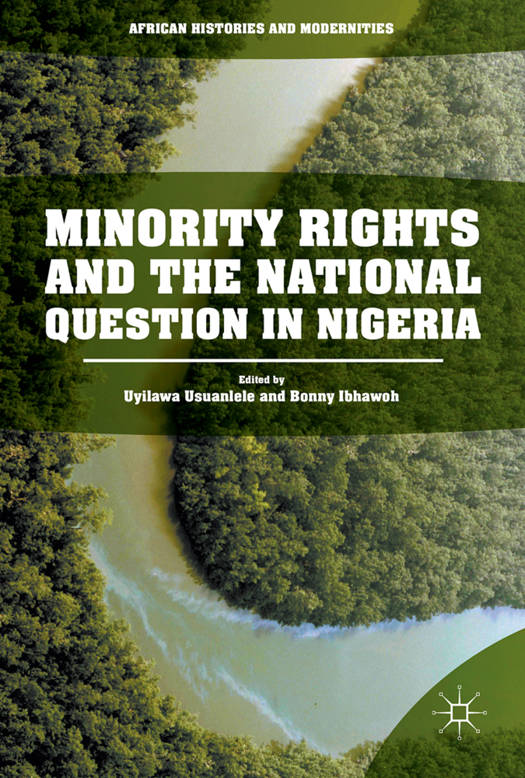
This book offers a thematic study of key debates in the history of the ethnic politics, democratic governance, and minority rights in Nigeria. Nigeria provides a framework for examining the central paradox in post-colonial nation building projects in Africa - the tension between majority rule and minority rights. The liberal democratic model on which most African states were founded at independence from colonial rule, and to which they continue to aspire, is founded on majority rule. It is also founded on the protection of the rights of minority groups to political participation, social inclusion and economic resources. Maintaining this tenuous balance between majority rule and minority rights has, in the decades since independence, become the key national question in many African countries, perhaps none more so than Nigeria. This volume explores these issues, focusing on four key themes as they relate to minority rights in Nigeria: ethnic and religious identities, nationalism and federalism, political crises and armed conflicts.