


- Afhalen na 1 uur in een winkel met voorraad
- Gratis thuislevering in België vanaf € 30
- Ruim aanbod met 7 miljoen producten
- Afhalen na 1 uur in een winkel met voorraad
- Gratis thuislevering in België vanaf € 30
- Ruim aanbod met 7 miljoen producten





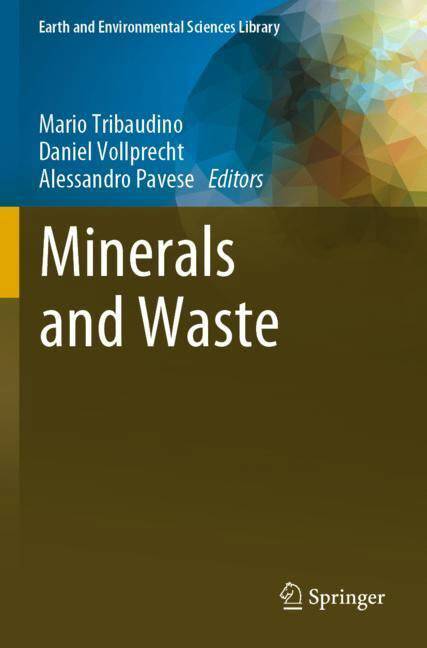
Minerals and Waste
€ 92,45
+ 184 punten
Omschrijving
In the field of waste disposal, recovery, and recycling, industrial residues from ceramic and mining activities are just an assemblage of minerals. So is municipal waste, after removing the organic part in incinerators or after long-time disposal. In almost every case, a natural counterpart is present. Applying what is known from natural systems on waste assemblages is the key to predicting their fate, at a short and long time, and suggesting the best for high-temperature recycling.
This book aims to bring the Earth Science community to the edge of waste management, offering background information, the basics of high and low-temperature geochemistry involved, and an overview of waste investigation connected to minerals. This book also addresses mineral tailings, incinerator bottom, fly ashes, metal slags, ceramic industry residue, and eventually sanitary issues.
The primary readership will be graduate students and professionals in geological and environmental fields.
This book aims to bring the Earth Science community to the edge of waste management, offering background information, the basics of high and low-temperature geochemistry involved, and an overview of waste investigation connected to minerals. This book also addresses mineral tailings, incinerator bottom, fly ashes, metal slags, ceramic industry residue, and eventually sanitary issues.
The primary readership will be graduate students and professionals in geological and environmental fields.
Specificaties
Betrokkenen
- Uitgeverij:
Inhoud
- Aantal bladzijden:
- 295
- Taal:
- Engels
- Reeks:
Eigenschappen
- Productcode (EAN):
- 9783031161377
- Verschijningsdatum:
- 16/03/2024
- Uitvoering:
- Paperback
- Afmetingen:
- 155 mm x 16 mm
- Gewicht:
- 464 g

Alleen bij Standaard Boekhandel
+ 184 punten op je klantenkaart van Standaard Boekhandel
Cadeau

AANGERADEN


Beoordelingen
We publiceren alleen reviews die voldoen aan de voorwaarden voor reviews. Bekijk onze voorwaarden voor reviews.