


- Afhalen na 1 uur in een winkel met voorraad
- Gratis thuislevering in België vanaf € 30
- Ruim aanbod met 7 miljoen producten
- Afhalen na 1 uur in een winkel met voorraad
- Gratis thuislevering in België vanaf € 30
- Ruim aanbod met 7 miljoen producten




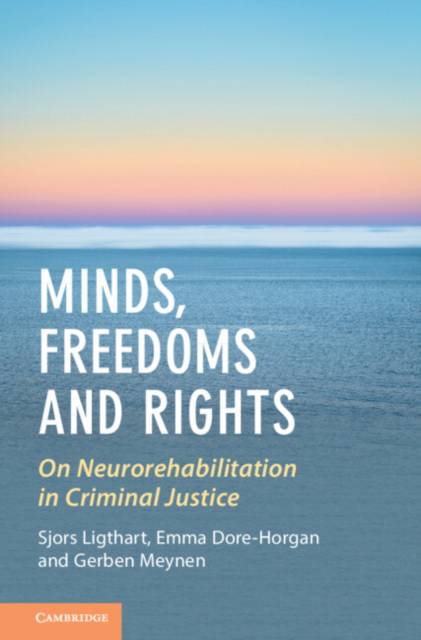
Minds, Freedoms and Rights
On Neurorehabilitation in Criminal Justice
Sjors Ligthart, Emma Dore-Horgan, Gerben Meynen
€ 187,45
+ 374 punten
Omschrijving
Recent developments in the cognitive sciences, particularly the emergence of neurotechnologies and their potential applications in a variety of contexts, have prompted a debate on what freedoms and rights people have in relation to their brains and minds. Lawyers and philosophers are especially interested in the possibilities offered by the neurosciences in conducting risk assessments and risk management. Minds, Freedoms and Rights deepens our understanding of these legal issues by investigating the human rights that relate to the mind and by exploring their implications for possible uses for neurotechnology for criminal rehabilitation or 'neurorehabilitation'. By harnessing and integrating both legal and ethical perspectives, the authors establish possible uses of neurorehabilitation that are cutting-edge yet simultaneously protect and respect human rights and freedoms. This title is also available as open access on Cambridge Core.
Specificaties
Betrokkenen
- Auteur(s):
- Uitgeverij:
Inhoud
- Aantal bladzijden:
- 224
- Taal:
- Engels
- Reeks:
Eigenschappen
- Productcode (EAN):
- 9781009486330
- Verschijningsdatum:
- 22/01/2026
- Uitvoering:
- Hardcover
- Formaat:
- Genaaid
- Afmetingen:
- 152 mm x 229 mm
- Gewicht:
- 467 g


Alleen bij Standaard Boekhandel
+ 374 punten op je klantenkaart van Standaard Boekhandel
AANGERADEN


Beoordelingen
We publiceren alleen reviews die voldoen aan de voorwaarden voor reviews. Bekijk onze voorwaarden voor reviews.