



Je cadeautjes zeker op tijd in huis hebben voor de feestdagen? Kom langs in onze winkels en vind het perfecte geschenk!
- Afhalen na 1 uur in een winkel met voorraad
- Gratis thuislevering in België vanaf € 30
- Ruim aanbod met 7 miljoen producten
Je cadeautjes zeker op tijd in huis hebben voor de feestdagen? Kom langs in onze winkels en vind het perfecte geschenk!
- Afhalen na 1 uur in een winkel met voorraad
- Gratis thuislevering in België vanaf € 30
- Ruim aanbod met 7 miljoen producten





€ 19,00
+ 19 punten
Uitvoering
Omschrijving
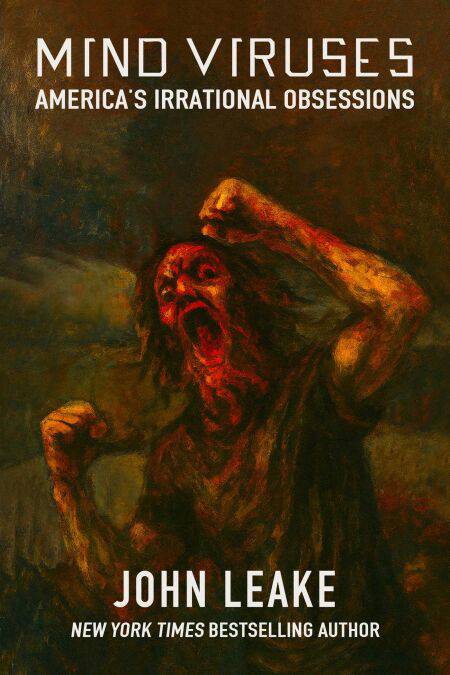
In 1872, Fyodor Dostoevsky published a novel titled Demons, about a catastrophe that ensues from the nihilism that became prevalent in Russia in the 1860s. A group of young men incite chaos as they try to stage a revolution. In Dostoevsky’s portrayal, they seem possessed by the doctrines they espouse. In a 1957 essay, the Swiss psychologist, Carl Jung, made similar observations about “subversive minorities” in the West who are animated by “chimerical wish fantasies” that may rapidly spread like a contagion and develop into “psychic epidemics.”
In the United States today, we see the sort of “psychic epidemics” that Jung warned about—that is, fervent belief in ideas or doctrines that were, until recently, considered to be irrational. These doctrines seem to possess the minds of the believers, rendering them unable to think about complex problems. Instead of calm discussion, they are given to hot emotional outbursts and violent behavior. Critical thinking is replaced by mindless slogans and extreme, either/or propositions that leave no room for differences of opinion or negotiations.
During the pandemic, the COVID-19 vaccine was made into an object of religious veneration and portrayed as the liberator and savior of mankind. Faith in the new genetic technology was largely unshaken by the fact that it didn’t prevent transmission and infection. Similar “faith communities” have been erected around the issues of transgender medicine, Ukrainian nationalism, and climate change.
Mind Viruses: America’s Irrational Obsessions examines the social, spiritual, and technological forces that have propagated these psychic epidemics, and what they bode for the future of our Constitutional Republic.
In the United States today, we see the sort of “psychic epidemics” that Jung warned about—that is, fervent belief in ideas or doctrines that were, until recently, considered to be irrational. These doctrines seem to possess the minds of the believers, rendering them unable to think about complex problems. Instead of calm discussion, they are given to hot emotional outbursts and violent behavior. Critical thinking is replaced by mindless slogans and extreme, either/or propositions that leave no room for differences of opinion or negotiations.
During the pandemic, the COVID-19 vaccine was made into an object of religious veneration and portrayed as the liberator and savior of mankind. Faith in the new genetic technology was largely unshaken by the fact that it didn’t prevent transmission and infection. Similar “faith communities” have been erected around the issues of transgender medicine, Ukrainian nationalism, and climate change.
Mind Viruses: America’s Irrational Obsessions examines the social, spiritual, and technological forces that have propagated these psychic epidemics, and what they bode for the future of our Constitutional Republic.
Specificaties
Betrokkenen
- Auteur(s):
- Uitgeverij:
Inhoud
- Aantal bladzijden:
- 168
- Taal:
- Engels
Eigenschappen
- Productcode (EAN):
- 9781510786813
- Verschijningsdatum:
- 2/03/2026
- Uitvoering:
- E-book
- Beveiligd met:
- Adobe DRM
- Formaat:
- ePub



Alleen bij Standaard Boekhandel
+ 19 punten op je klantenkaart van Standaard Boekhandel
CADEAU


Beoordelingen
We publiceren alleen reviews die voldoen aan de voorwaarden voor reviews. Bekijk onze voorwaarden voor reviews.