


- Afhalen na 1 uur in een winkel met voorraad
- Gratis thuislevering in België vanaf € 30
- Ruim aanbod met 7 miljoen producten
- Afhalen na 1 uur in een winkel met voorraad
- Gratis thuislevering in België vanaf € 30
- Ruim aanbod met 7 miljoen producten





€ 33,95
+ 67 punten
Omschrijving
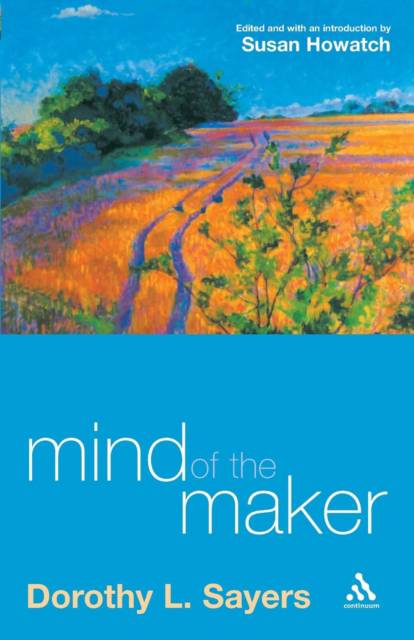
Dorothy L Sayers' great lay contemporaries in the Church of England were T. S. Eliot, C.S. Lewis and Charles Williams, but none of them wrote a book quite like The Mind of the Maker. In this crisp, elegant exercise in theology, Sayers illuminates the doctrine of the Trinity by relating it to the process of writing fiction, a process about which she could speak with complete authority. She illustrates her thesis with many examples drawn from her own books, and even illuminates the Christian heresies by analysing certain failures of creation which regularly occur in literature. This marvellous classic describes the creative process in terms of the arts and shows that literature can cast light on theology and vice versa.
Specificaties
Betrokkenen
- Auteur(s):
- Uitgeverij:
Inhoud
- Aantal bladzijden:
- 206
- Taal:
- Engels
Eigenschappen
- Productcode (EAN):
- 9780826476784
- Verschijningsdatum:
- 17/01/2005
- Uitvoering:
- Paperback
- Formaat:
- Trade paperback (VS)
- Afmetingen:
- 140 mm x 216 mm
- Gewicht:
- 244 g


Alleen bij Standaard Boekhandel
+ 67 punten op je klantenkaart van Standaard Boekhandel
Cadeau

AANGERADEN


Beoordelingen
We publiceren alleen reviews die voldoen aan de voorwaarden voor reviews. Bekijk onze voorwaarden voor reviews.