


- Afhalen na 1 uur in een winkel met voorraad
- Gratis thuislevering in België vanaf € 30
- Ruim aanbod met 7 miljoen producten
- Afhalen na 1 uur in een winkel met voorraad
- Gratis thuislevering in België vanaf € 30
- Ruim aanbod met 7 miljoen producten





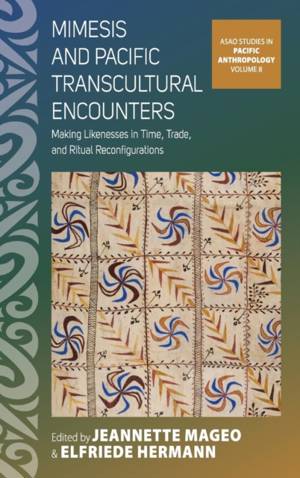
Mimesis and Pacific Transcultural Encounters
Making Likenesses in Time, Trade, and Ritual Reconfigurations
€ 128,95
+ 257 punten
Omschrijving
How do images circulating in Pacific cultures and exchanged between them and their many visitors transform meanings for all involved? This fascinating collection explores how through mimesis, wayfarers and locales alike borrow images from one another to expand their cultural repertoire of meanings or borrow images from their own past to validate their identities.
Specificaties
Betrokkenen
- Uitgeverij:
Inhoud
- Aantal bladzijden:
- 292
- Taal:
- Engels
- Reeks:
- Reeksnummer:
- nr. 8
Eigenschappen
- Productcode (EAN):
- 9781785336249
- Verschijningsdatum:
- 1/10/2017
- Uitvoering:
- Hardcover
- Formaat:
- Bibliotheekbinding
- Afmetingen:
- 157 mm x 231 mm
- Gewicht:
- 521 g

Alleen bij Standaard Boekhandel
+ 257 punten op je klantenkaart van Standaard Boekhandel
Cadeau

AANGERADEN


Beoordelingen
We publiceren alleen reviews die voldoen aan de voorwaarden voor reviews. Bekijk onze voorwaarden voor reviews.