


- Afhalen na 1 uur in een winkel met voorraad
- Gratis thuislevering in België vanaf € 30
- Ruim aanbod met 7 miljoen producten
- Afhalen na 1 uur in een winkel met voorraad
- Gratis thuislevering in België vanaf € 30
- Ruim aanbod met 7 miljoen producten





€ 47,45
+ 94 punten
Uitvoering
Omschrijving
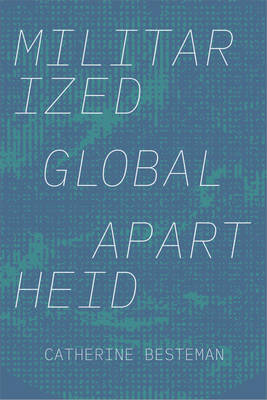
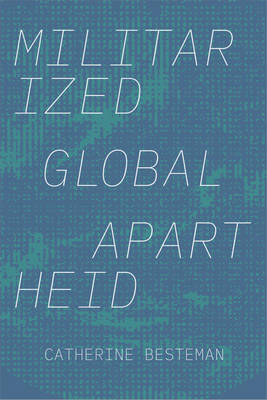
In Militarized Global Apartheid Catherine Besteman offers a sweeping theorization of the ways in which countries from the global north are reproducing South Africa's apartheid system on a worldwide scale to control the mobility and labor of people from the global south. Exploring the different manifestations of global apartheid, Besteman traces how militarization and securitization reconfigure older forms of white supremacy and deploy them in new contexts to maintain this racialized global order. Whether using the language of security, military intervention, surveillance technologies, or detention centers and other forms of incarceration, these projects reinforce and consolidate the global north's political and economic interests at the expense of the poor, migrants, refugees, Indigenous populations, and people of color. By drawing out how this new form of apartheid functions and pointing to areas of resistance, Besteman opens up new space to theorize potential sources of liberatory politics.
Specificaties
Betrokkenen
- Auteur(s):
- Uitgeverij:
Inhoud
- Aantal bladzijden:
- 208
- Taal:
- Engels
- Reeks:
Eigenschappen
- Productcode (EAN):
- 9781478011507
- Verschijningsdatum:
- 13/11/2020
- Uitvoering:
- Paperback
- Formaat:
- Trade paperback (VS)
- Afmetingen:
- 152 mm x 229 mm
- Gewicht:
- 294 g


Alleen bij Standaard Boekhandel
+ 94 punten op je klantenkaart van Standaard Boekhandel
Cadeau

AANGERADEN


Beoordelingen
We publiceren alleen reviews die voldoen aan de voorwaarden voor reviews. Bekijk onze voorwaarden voor reviews.