


- Afhalen na 1 uur in een winkel met voorraad
- Gratis thuislevering in België vanaf € 30
- Ruim aanbod met 7 miljoen producten
- Afhalen na 1 uur in een winkel met voorraad
- Gratis thuislevering in België vanaf € 30
- Ruim aanbod met 7 miljoen producten





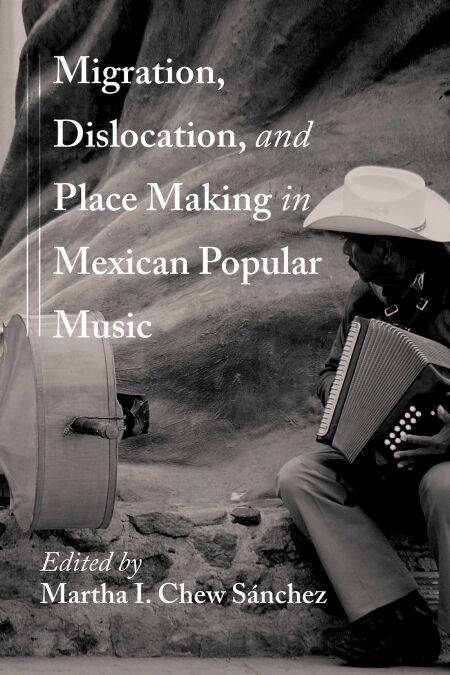
Migration, Dislocation, and Place Making in Mexican Popular Music E-BOOK
€ 24,59
+ 24 punten
Omschrijving
An excellent overview of the diversity of Mexican music and its powerful role in society to awaken, narrate, and interpret political consciousness.
The essays in Migration, Dislocation, and Place Making in Mexican Popular Music explore a convoluted musical landscape through personal testimonial, cultural history, and musical ethnography. The iconic regional traditions of mariachi and música norteña, from the center and north of the country, hybridize and become a musical lifeline for immigrants under stress. When rural economies collapse and the only cash crops are illegal, traditional corrido ballads morph into narco-corridos, deceitfully sacralized with folk saints. The international idiom of rock is fully naturalized and Mexicanized to offer powerful social critiques to youthful urban listeners. Popular diva singers challenge racism, discrimination, xenophobia, and homophobia. Social and cultural change in greater Mexico has multiple soundtracks that replenish and redefine ethnicity. This anthology is tightly focused on popular music and its powerful role in society to awaken, narrate, and interpret political consciousness. The variety of styles highlighted here distinguishes it from other works on Mexican musical traditions.
Interdisciplinary in scope, this anthology is sensitive to the nuances of the struggles over identities represented through Mexican musical expressions. It defines the imagined communities and identity formation of Mexican immigrants across class and regional differences as reflected in the music they choose to listen to. It examines the cultural economy of fans and followers and the reciprocal influence of musical consumers and producers, analyzing the impact Mexican musicians have on second-generation Chicanos in California and the Borderlands who are coming of age and redefining their place within the social fabric of the United States. Contributors to this volume detail the ways in which fans and musicians alike use Mexican music to challenge cultural expectations to re-create a world of communion, hope, defiance, and self-recognition.
The essays in Migration, Dislocation, and Place Making in Mexican Popular Music explore a convoluted musical landscape through personal testimonial, cultural history, and musical ethnography. The iconic regional traditions of mariachi and música norteña, from the center and north of the country, hybridize and become a musical lifeline for immigrants under stress. When rural economies collapse and the only cash crops are illegal, traditional corrido ballads morph into narco-corridos, deceitfully sacralized with folk saints. The international idiom of rock is fully naturalized and Mexicanized to offer powerful social critiques to youthful urban listeners. Popular diva singers challenge racism, discrimination, xenophobia, and homophobia. Social and cultural change in greater Mexico has multiple soundtracks that replenish and redefine ethnicity. This anthology is tightly focused on popular music and its powerful role in society to awaken, narrate, and interpret political consciousness. The variety of styles highlighted here distinguishes it from other works on Mexican musical traditions.
Interdisciplinary in scope, this anthology is sensitive to the nuances of the struggles over identities represented through Mexican musical expressions. It defines the imagined communities and identity formation of Mexican immigrants across class and regional differences as reflected in the music they choose to listen to. It examines the cultural economy of fans and followers and the reciprocal influence of musical consumers and producers, analyzing the impact Mexican musicians have on second-generation Chicanos in California and the Borderlands who are coming of age and redefining their place within the social fabric of the United States. Contributors to this volume detail the ways in which fans and musicians alike use Mexican music to challenge cultural expectations to re-create a world of communion, hope, defiance, and self-recognition.
Specificaties
Betrokkenen
- Uitgeverij:
Inhoud
- Aantal bladzijden:
- 216
- Taal:
- Engels
- Reeks:
Eigenschappen
- Productcode (EAN):
- 9780826370525
- Verschijningsdatum:
- 19/10/2026
- Uitvoering:
- E-book
- Beveiligd met:
- Adobe DRM
- Formaat:
- ePub

Alleen bij Standaard Boekhandel
+ 24 punten op je klantenkaart van Standaard Boekhandel
Cadeau

AANGERADEN


Beoordelingen
We publiceren alleen reviews die voldoen aan de voorwaarden voor reviews. Bekijk onze voorwaarden voor reviews.