


- Afhalen na 1 uur in een winkel met voorraad
- Gratis thuislevering in België vanaf € 30
- Ruim aanbod met 7 miljoen producten
- Afhalen na 1 uur in een winkel met voorraad
- Gratis thuislevering in België vanaf € 30
- Ruim aanbod met 7 miljoen producten





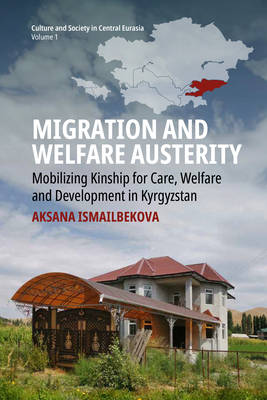
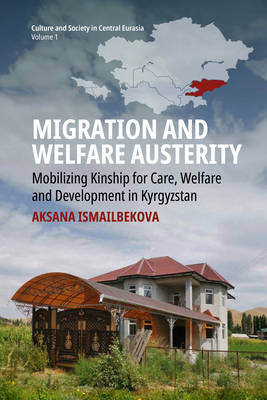
Migration and Welfare Austerity
Mobilizing Kinship for Care, Welfare and Development in Kyrgyzstan
Aksana Ismailbekova
€ 217,95
+ 435 punten
Omschrijving
After the collapse of the Soviet Union, residents of Alma, a village in Kyrgyzstan, were faced with many challenges. Economic crisis and the elimination of welfare support forced an entire generation to become labour migrants in Russia. Those 'left behind' were sustained by migrants' remittances and charitable activities, but at a cost. As villagers built upon existing kinship structures to create new practices of mutual aid on the lines of Islamic teaching, they suffered from the 'dark side of kinship.' This book shares experiences of people in Alma and its Moscow-based diaspora and how they created a 'moral economy of migration' that became territorialised as kindship was de-territorialised.
Specificaties
Betrokkenen
- Auteur(s):
- Uitgeverij:
Inhoud
- Aantal bladzijden:
- 284
- Taal:
- Engels
- Reeks:
- Reeksnummer:
- nr. 1
Eigenschappen
- Productcode (EAN):
- 9781836954347
- Verschijningsdatum:
- 1/03/2026
- Uitvoering:
- Hardcover
- Formaat:
- Bibliotheekbinding
- Afmetingen:
- 152 mm x 229 mm
- Gewicht:
- 480 g


Alleen bij Standaard Boekhandel
+ 435 punten op je klantenkaart van Standaard Boekhandel
CADEAU

AANGERADEN


Beoordelingen
We publiceren alleen reviews die voldoen aan de voorwaarden voor reviews. Bekijk onze voorwaarden voor reviews.