



Je cadeautjes zeker op tijd in huis hebben voor de feestdagen? Kom langs in onze winkels en vind het perfecte geschenk!
- Afhalen na 1 uur in een winkel met voorraad
- Gratis thuislevering in België vanaf € 30
- Ruim aanbod met 7 miljoen producten
Je cadeautjes zeker op tijd in huis hebben voor de feestdagen? Kom langs in onze winkels en vind het perfecte geschenk!
- Afhalen na 1 uur in een winkel met voorraad
- Gratis thuislevering in België vanaf € 30
- Ruim aanbod met 7 miljoen producten





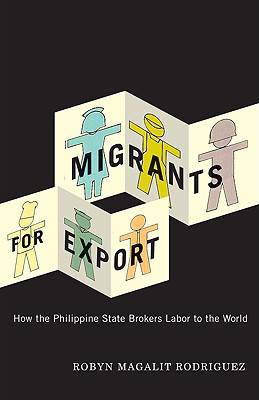
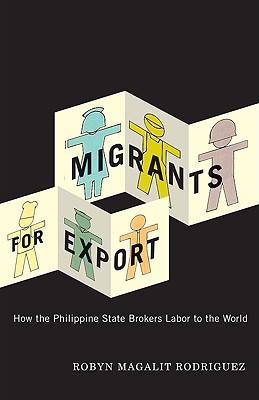
Migrants for Export
How the Philippine State Brokers Labor to the World
Robyn Magalit Rodriguez
Paperback | Engels
€ 43,45
+ 86 punten
Omschrijving
Migrant workers from the Philippines are ubiquitous to global capitalism, with nearly 10 percent of the population employed in almost two hundred countries. In a visit to the United States in 2003, Philippine president Gloria Macapagal Arroyo even referred to herself as not only the head of state but also "the CEO of a global Philippine enterprise of eight million Filipinos who live and work abroad." Robyn Magalit Rodriguez investigates how and why the Philippine government transformed itself into what she calls a labor brokerage state, which actively prepares, mobilizes, and regulates its citizens for migrant work abroad. Filipino men and women fill a range of jobs around the globe, including domestic work, construction, and engineering, and they have even worked in the Middle East to support U.S. military operations. At the same time, the state redefines nationalism to normalize its citizens to migration while fostering their ties to the Philippines. Those who leave the country to work and send their wages to their families at home are treated as new national heroes. Drawing on ethnographic research of the Philippine government's migration bureaucracy, interviews, and archival work, Rodriguez presents a new analysis of neoliberal globalization and its consequences for nation-state formation.
Specificaties
Betrokkenen
- Auteur(s):
- Uitgeverij:
Inhoud
- Aantal bladzijden:
- 208
- Taal:
- Engels
Eigenschappen
- Productcode (EAN):
- 9780816665280
- Verschijningsdatum:
- 2/04/2010
- Uitvoering:
- Paperback
- Formaat:
- Trade paperback (VS)
- Afmetingen:
- 163 mm x 216 mm
- Gewicht:
- 272 g


Alleen bij Standaard Boekhandel
+ 86 punten op je klantenkaart van Standaard Boekhandel
CADEAU


Beoordelingen
We publiceren alleen reviews die voldoen aan de voorwaarden voor reviews. Bekijk onze voorwaarden voor reviews.