


- Afhalen na 1 uur in een winkel met voorraad
- Gratis thuislevering in België vanaf € 30
- Ruim aanbod met 7 miljoen producten
- Afhalen na 1 uur in een winkel met voorraad
- Gratis thuislevering in België vanaf € 30
- Ruim aanbod met 7 miljoen producten





€ 144,95
+ 289 punten
Uitvoering
Omschrijving
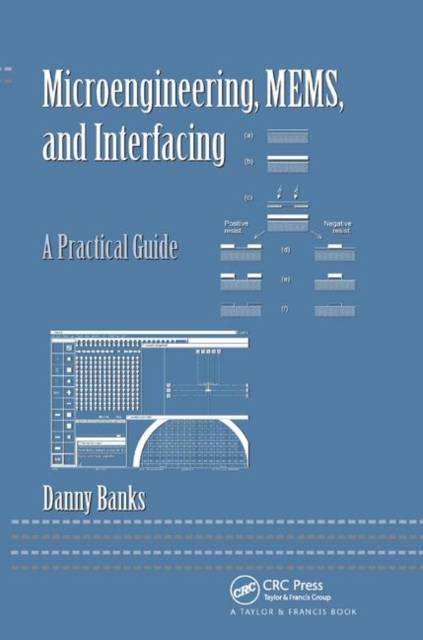
MEMS devices are finding increasingly widespread use in a variety of settings, from chemical and biological analysis to sensors and actuators in automotive applications. Along with this massive growth, the field is still experiencing growing pains as fabrication processes are refined and new applications are attempted. Anyone serious about entering the field must have a realistic knowledge of just what is possible with MEMS technologies as well as the myriad issues involved in fabrication and device integration. Microengineering, MEMS, and Interfacing: A Practical Guide provides a straightforward, down-to-earth overview of the current state of MEMS technology. The first section systematically reviews the various bulk and surface micromachining methods, photolithography masks, and nonsilicon processes, examining their capabilities, limitations, and suggested uses. Next, the author details the characteristics of individual devices and systems, their advantages and shortcomings, and how they can be combined to achieve desired functionality. He includes condensed introductions to relevant chemistry and biochemistry and then demonstrates applications of MEMS in these areas. Beginning with a short introduction to electronics, the final section explores the issues involved in interfacing MEMS components with other systems. With judicious use of illustrations to clarify the discussion, Microengineering, MEMS, and Interfacing: A Practical Guide offers hands-on tools for solving specific problems along with the insight necessary to use them most effectively.
Specificaties
Betrokkenen
- Auteur(s):
- Uitgeverij:
Inhoud
- Aantal bladzijden:
- 352
- Taal:
- Engels
Eigenschappen
- Productcode (EAN):
- 9780367391027
- Verschijningsdatum:
- 5/09/2019
- Uitvoering:
- Paperback
- Formaat:
- Trade paperback (VS)
- Afmetingen:
- 150 mm x 226 mm
- Gewicht:
- 657 g


Alleen bij Standaard Boekhandel
+ 289 punten op je klantenkaart van Standaard Boekhandel
Cadeau

AANGERADEN


Beoordelingen
We publiceren alleen reviews die voldoen aan de voorwaarden voor reviews. Bekijk onze voorwaarden voor reviews.