


- Afhalen na 1 uur in een winkel met voorraad
- Gratis thuislevering in België vanaf € 30
- Ruim aanbod met 7 miljoen producten
- Afhalen na 1 uur in een winkel met voorraad
- Gratis thuislevering in België vanaf € 30
- Ruim aanbod met 7 miljoen producten





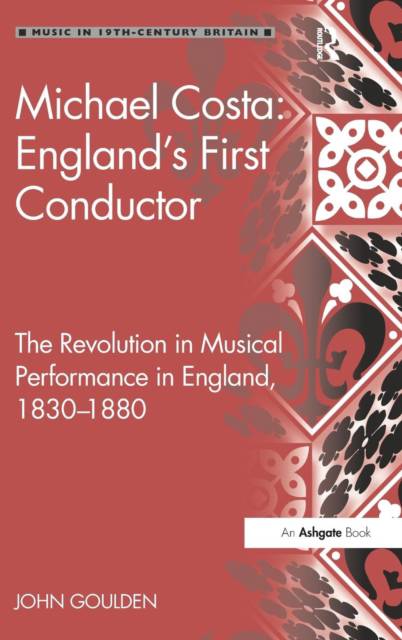
Michael Costa: England's First Conductor
The Revolution in Musical Performance in England, 1830-1880
John Goulden
€ 343,45
+ 686 punten
Omschrijving
Among the major changes that swept through the music industry during the mid-nineteenth century was how musical performances were managed and directed. From a loose control shared between the violin-leader, musical director and maestro al cembalo to a system of tight and unified control under a professional conductor-manager. This process brought with it not only baton conducting in its modern form, but also higher standards, a new orchestral lay-out and a more focused rehearsal regime. The key figure in this process was Michael Costa whose uniquely powerful position in the operatic, symphonic and choral worlds provide a fascinating insight into the politics and changing aesthetics of the Victorian musical landscape.
Specificaties
Betrokkenen
- Auteur(s):
- Uitgeverij:
Inhoud
- Aantal bladzijden:
- 244
- Taal:
- Engels
- Reeks:
Eigenschappen
- Productcode (EAN):
- 9781472427175
- Verschijningsdatum:
- 18/03/2016
- Uitvoering:
- Hardcover
- Formaat:
- Genaaid
- Afmetingen:
- 156 mm x 234 mm
- Gewicht:
- 521 g



Alleen bij Standaard Boekhandel
+ 686 punten op je klantenkaart van Standaard Boekhandel
Cadeau

AANGERADEN


Beoordelingen
We publiceren alleen reviews die voldoen aan de voorwaarden voor reviews. Bekijk onze voorwaarden voor reviews.