


- Afhalen na 1 uur in een winkel met voorraad
- Gratis thuislevering in België vanaf € 30
- Ruim aanbod met 7 miljoen producten
- Afhalen na 1 uur in een winkel met voorraad
- Gratis thuislevering in België vanaf € 30
- Ruim aanbod met 7 miljoen producten





€ 140,95
+ 281 punten
Uitvoering
Omschrijving
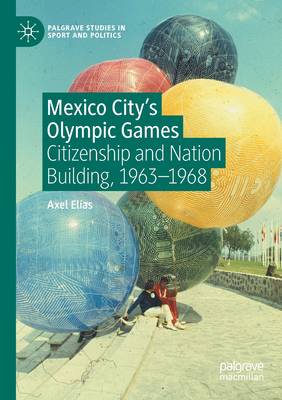
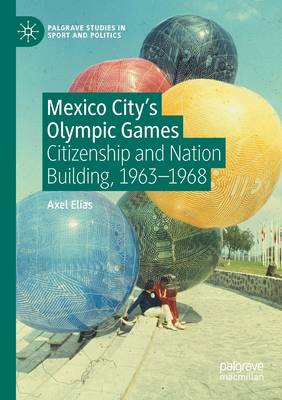
This book looks at the 1968 Summer Olympic Games as a complex nation-building project. Sports mega-events have been mostly studied as homogenous government-led strategies, but more work is needed around the diverse reception and performances. The preparation period for the Olympics in Mexico and especially the year 1968 highlight the multiplicity of voices behind these exercises. Beyond the government and associated networks, the citizenry also used this mega-event to present an idea of Mexico to the world and thus reshape citizenship and nationhood. This study takes a bottom-up approach to look at the citizenry's experiences of the 1968 Olympic Games, both the shared nationalistic values and the areas of conflict.
Specificaties
Betrokkenen
- Auteur(s):
- Uitgeverij:
Inhoud
- Aantal bladzijden:
- 272
- Taal:
- Engels
- Reeks:
Eigenschappen
- Productcode (EAN):
- 9783030741136
- Verschijningsdatum:
- 28/09/2022
- Uitvoering:
- Paperback
- Formaat:
- Trade paperback (VS)
- Afmetingen:
- 148 mm x 210 mm
- Gewicht:
- 344 g


Alleen bij Standaard Boekhandel
+ 281 punten op je klantenkaart van Standaard Boekhandel
Cadeau

AANGERADEN


Beoordelingen
We publiceren alleen reviews die voldoen aan de voorwaarden voor reviews. Bekijk onze voorwaarden voor reviews.