


- Afhalen na 1 uur in een winkel met voorraad
- Gratis thuislevering in België vanaf € 30
- Ruim aanbod met 7 miljoen producten
- Afhalen na 1 uur in een winkel met voorraad
- Gratis thuislevering in België vanaf € 30
- Ruim aanbod met 7 miljoen producten





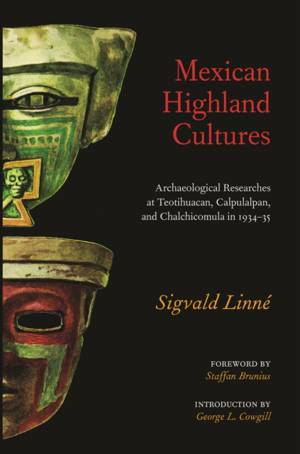
Mexican Highland Cultures
Archaeological Researches at Teotihuacan, Calpoulalpan and Chalchicomula in 1934-35
Sigvald Linné
Paperback | Engels
€ 36,45
+ 72 punten
Uitvoering
Omschrijving
Presents the broad picture and analysis of excavations at three cultural centers in central Mexico
This classic work published in 1942, ten years after archaeological excavations were begun in the Valley of Mexico by Linné's team, presents additional data that had not been fully detailed in the previously published Archaeological Researches at Teotihuacan. It provides comparative information on the high-status ruins situated on the fringes of the Valley of Mexico and excavation results from a compound within the city of Teotihuacan. This information is of critical use to archaeologists still excavating at Teotihuacan in projecting compound extent, types of artifacts expected to be discovered, and patterns of artifacts to be found in particular types of rooms. The characteristics of burials is also explored.
This book, along with its predecessor, is an important primary resource for Americanists. Staffan Brunius's foreword offers a broad background of Linné's life and work. The introduction by George Cowgill focuses more specifically on the conduct and impact of the archaeological exavations.
G. C. Vaillant has stated, "The greatest achievement of Dr. Linné from the viewpoint of the general student is the presentation of a technical field excavation in such terms that anyone can follow his text and see the relationship between the details of position of specimens and the larger problems of history and anthropology."
is Curator of the Americas at the National Museum of Ethnography in Stockholm. George L. Cowgill is Professor of Anthropology at Arizona State University and coeditor of The Collapse of Ancient States and Civilizations.
Additional reviews:This book . . . makes Linne's work widely available again to those interested and may prompt a new generation of specialists to examine the original material either in Stockholm's National Museum of Ethnography, Mexico's Museo Nacional de Antropologia or the Teotihuacan site itself. Testament to the lasting value of Linne's work is given in a succinct and helpful new introduction by anthropologist George L. Cowgill. A more recent curator of the Americas at Stockholm's ethnographical museum, Steffan Brunius, also chips in with a brief contextualization of Linne's work against the background of the early Swedish-American tradition.--The Historian
Specificaties
Betrokkenen
- Auteur(s):
- Uitgeverij:
Inhoud
- Aantal bladzijden:
- 252
- Taal:
- Engels
Eigenschappen
- Productcode (EAN):
- 9780817350062
- Verschijningsdatum:
- 26/03/2003
- Uitvoering:
- Paperback
- Formaat:
- Trade paperback (VS)
- Afmetingen:
- 162 mm x 231 mm
- Gewicht:
- 430 g


Alleen bij Standaard Boekhandel
+ 72 punten op je klantenkaart van Standaard Boekhandel

Beoordelingen
We publiceren alleen reviews die voldoen aan de voorwaarden voor reviews. Bekijk onze voorwaarden voor reviews.