


- Afhalen na 1 uur in een winkel met voorraad
- Gratis thuislevering in België vanaf € 30
- Ruim aanbod met 7 miljoen producten
- Afhalen na 1 uur in een winkel met voorraad
- Gratis thuislevering in België vanaf € 30
- Ruim aanbod met 7 miljoen producten





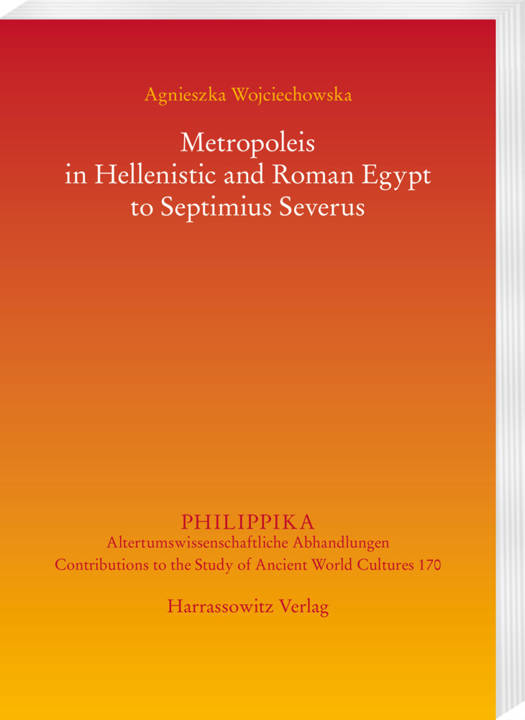
Metropoleis in Hellenistic and Roman Egypt to Septimius Severus
Agnieszka Wojciechowska
€ 57,45
+ 114 punten
Omschrijving
This is the first monograph of metropoleis in Egypt from the Hellenistic age until high Empire. Metropoleis were capital units of nomes or the basic administrative units of ancient Egypt. Their later history, from the moment emperor Septimius Severus raised their status to that of a polis (city), has elicited substantial interest of modern scholarship. Agnieszka Wojciechowska goes beyond the chronological constraints of earlier scholarship, aiming at researching the evolution of metropoleis before they became cities by imperial fiat. She begins with the notion of nome capitals in pharaonic Egypt, to continue through the Ptolemaic age when metropoleis were first named in sources. It is argued that the major turning point in history of metropoleis was the reign of Augustus when the administrative duties in Egypt, once performed by temple staff, were reassigned to metropoleis and their officials. Much attention is devoted to urbanization of metropleis, the process which occurred at much different speed through some but not all nome capitals. In this way, this book measures urbanization both through proliferation of urban features (baths, gymnasia, theatres, administrative buildings), and through the direct attestation of some metropoleis as cities in written documents.
Specificaties
Betrokkenen
- Auteur(s):
- Uitgeverij:
Inhoud
- Aantal bladzijden:
- 192
- Taal:
- Engels
- Reeks:
- Reeksnummer:
- nr. 170
Eigenschappen
- Productcode (EAN):
- 9783447120227
- Verschijningsdatum:
- 17/04/2024
- Uitvoering:
- Paperback
- Formaat:
- Trade paperback (VS)
- Afmetingen:
- 170 mm x 15 mm
- Gewicht:
- 439 g


Alleen bij Standaard Boekhandel
+ 114 punten op je klantenkaart van Standaard Boekhandel
Cadeau

AANGERADEN


Beoordelingen
We publiceren alleen reviews die voldoen aan de voorwaarden voor reviews. Bekijk onze voorwaarden voor reviews.