


- Afhalen na 1 uur in een winkel met voorraad
- Gratis thuislevering in België vanaf € 30
- Ruim aanbod met 7 miljoen producten
- Afhalen na 1 uur in een winkel met voorraad
- Gratis thuislevering in België vanaf € 30
- Ruim aanbod met 7 miljoen producten





€ 61,45
+ 122 punten
Omschrijving
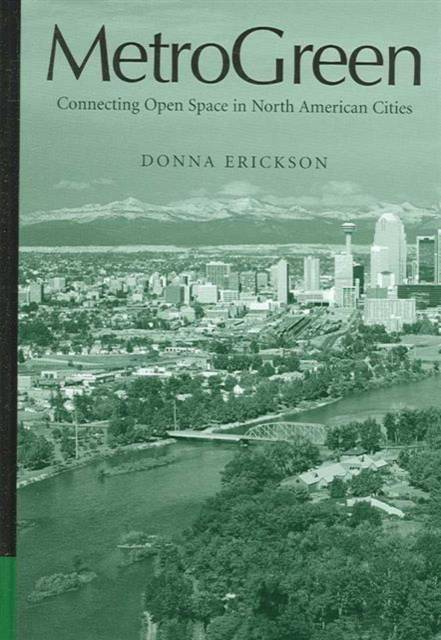
In metropolitan areas across the country, you can hear the laments over the loss of green space to new subdivisions and strip malls. But some city residents have taken unprecedented measures to protect their open land, and a growing movement seeks not only to preserve these lands but to link them in green corridors. Many land-use and urban planning professionals, along with landscape architects and environmental advocates, have joined in efforts to preserve natural areas. MetroGreen answers their call for a deeper exploration of the latest thinking and newest practices in this growing conservation field. In ten case studies of U.S. and Canadian cities paired for comparative analysis-Toronto and Chicago, Calgary and Denver, and Vancouver and Portland among them-Erickson looks closely at the motivations and objectives for connecting open spaces across metropolitan areas. She documents how open-space networks have been successfully created and protected, while also highlighting the critical human and ecological benefits of connectivity. MetroGreen's unique focus on several cities rather than a single urban area offers a perspective on the political, economic, cultural, and environmental conditions that affect open-space planning and the outcomes of its implementation.
Specificaties
Betrokkenen
- Auteur(s):
- Uitgeverij:
Inhoud
- Aantal bladzijden:
- 352
- Taal:
- Engels
Eigenschappen
- Productcode (EAN):
- 9781559638432
- Verschijningsdatum:
- 1/10/2006
- Uitvoering:
- Hardcover
- Formaat:
- Genaaid
- Afmetingen:
- 183 mm x 257 mm
- Gewicht:
- 780 g



Alleen bij Standaard Boekhandel
+ 122 punten op je klantenkaart van Standaard Boekhandel
Cadeau

AANGERADEN


Beoordelingen
We publiceren alleen reviews die voldoen aan de voorwaarden voor reviews. Bekijk onze voorwaarden voor reviews.