


- Afhalen na 1 uur in een winkel met voorraad
- Gratis thuislevering in België vanaf € 30
- Ruim aanbod met 7 miljoen producten
- Afhalen na 1 uur in een winkel met voorraad
- Gratis thuislevering in België vanaf € 30
- Ruim aanbod met 7 miljoen producten





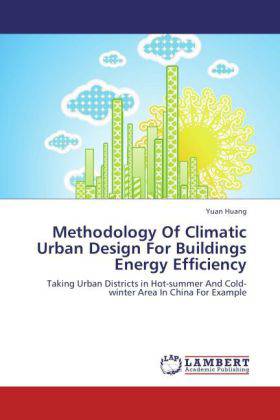
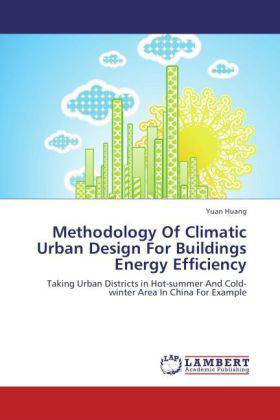
Methodology Of Climatic Urban Design For Buildings Energy Efficiency
Taking Urban Districts in Hot-summer And Cold-winter Area In China For Example
Yuan Huang
Paperback | Engels
€ 98,45
+ 196 punten
Omschrijving
Urbanization contributes significantly to the increase in energy use. An approach to urban development without environmental care and without taking into account the effects of urban microclimate contributes to increased energy consumption of buildings. In this research, we therefore sought to mitigate these impacts by uncovering climatic urban design strategies. The study focuses on the design methodologies of urban forms and their impacts on urban microclimate. We present the climatology in the methodology of urban design; explore the regularities of the relationship between urban microclimate and urban morphology. The core of this methodology relates to the discovery of links among urban typology, morphological indicators and physical parameters. The method is proposed to investigate the relationship between urban morphology and urban microclimate. The rules are uncovered to govern the relationship between urban morphology and urban microclimate. The results are translated into the effective strategies for urban design and energy efficiency of buildings. This method and these strategies are applied to examples of typical cities in hot-summer and clod-winter areas in China.
Specificaties
Betrokkenen
- Auteur(s):
- Uitgeverij:
Inhoud
- Aantal bladzijden:
- 224
- Taal:
- Engels
Eigenschappen
- Productcode (EAN):
- 9783846533468
- Verschijningsdatum:
- 26/08/2012
- Uitvoering:
- Paperback
- Afmetingen:
- 152 mm x 229 mm
- Gewicht:
- 336 g


Alleen bij Standaard Boekhandel
+ 196 punten op je klantenkaart van Standaard Boekhandel
AANGERADEN


Beoordelingen
We publiceren alleen reviews die voldoen aan de voorwaarden voor reviews. Bekijk onze voorwaarden voor reviews.