


- Afhalen na 1 uur in een winkel met voorraad
- Gratis thuislevering in België vanaf € 30
- Ruim aanbod met 7 miljoen producten
- Afhalen na 1 uur in een winkel met voorraad
- Gratis thuislevering in België vanaf € 30
- Ruim aanbod met 7 miljoen producten





€ 201,45
+ 402 punten
Omschrijving
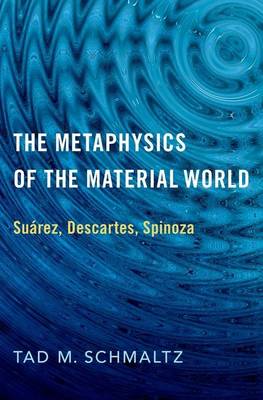
In The Metaphysics of the Material World, Tad M. Schmaltz traces a particular development of the metaphysics of the material world in early modern thought. The route Schmaltz follows derives from a critique of Spinoza in the work of Pierre Bayle. Bayle charged in particular that Spinoza's monistic conception of the material world founders on the account of extension and its "modes" and parts that he inherited from Descartes, and that Descartes in turn inherited from late scholasticism, and ultimately from Aristotle. After an initial discussion of Bayle's critique of Spinoza and its relation to Aristotle's distinction between substance and accident, this study starts with the original re-conceptualization of Aristotle's metaphysics of the material world that we find in the work of the early modern scholastic Su�rez. What receives particular attention is Su�rez's introduction of the "modal distinction" and his distinctive account of the Aristotelian accident of "continuous quantity." This examination of Su�rez is followed by a treatment of the connections of his particular version of the scholastic conception of the material world to the very different conception that Descartes offered. Especially important is Descartes's view of the relation of extended substance both to its modes and to the parts that compose it. Finally, there is a consideration of what these developments in Su�rez and Descartes have to teach us about Spinoza's monistic conception of the material world. Of special concern here is to draw on this historical narrative to provide a re-assessment of Bayle's critique of Spinoza.
Specificaties
Betrokkenen
- Auteur(s):
- Uitgeverij:
Inhoud
- Aantal bladzijden:
- 312
- Taal:
- Engels
Eigenschappen
- Productcode (EAN):
- 9780190070229
- Verschijningsdatum:
- 4/12/2019
- Uitvoering:
- Hardcover
- Formaat:
- Genaaid
- Afmetingen:
- 160 mm x 236 mm
- Gewicht:
- 521 g


Alleen bij Standaard Boekhandel
+ 402 punten op je klantenkaart van Standaard Boekhandel
CADEAU


Beoordelingen
We publiceren alleen reviews die voldoen aan de voorwaarden voor reviews. Bekijk onze voorwaarden voor reviews.