


- Afhalen na 1 uur in een winkel met voorraad
- Gratis thuislevering in België vanaf € 30
- Ruim aanbod met 7 miljoen producten
- Afhalen na 1 uur in een winkel met voorraad
- Gratis thuislevering in België vanaf € 30
- Ruim aanbod met 7 miljoen producten





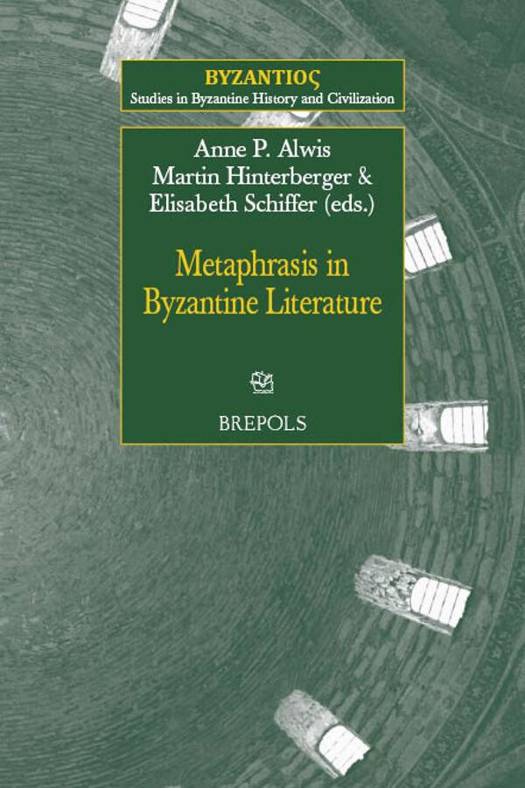
Metaphrasis in Byzantine Literature
Anne P. Alwis
€ 68,90
+ 137 punten
Omschrijving
Throughout the centuries Byzantium's ambitious authors were conscious of the significance of literary registers for the reception of their texts. They deliberately made use of stylistic elements or refrained from using certain features in order to reach their target audience. There are certain groups of texts dating from various periods on which these stylistic elements can be tracked precisely by comparison of two or even more versions with their model text: such examples of rewriting can be found particularly within genres with a broader audience appeal, namely hagiography and historiography. It is in both genres that we encounter metaphrastic processes, in terms of stylistic elaboration and in terms of stylistic simplification. As well as stylistic reshaping, metaphrasis may also encompass the addition or removal of literary and/or thematic aspects. All these processes signify intent as well as authorial interpretation. Frequently, the ideological orientation of a text is refurbished through rewriting. Teasing out these strands for exploration helps to supply a potential wealth of information on the author (if known), cultural (social, religious, historical) context, and creative ability, as well as levels of education and literacy.
Specificaties
Betrokkenen
- Auteur(s):
- Uitgeverij:
Inhoud
- Aantal bladzijden:
- 179
- Taal:
- Engels
- Reeks:
- Reeksnummer:
- nr. 17
Eigenschappen
- Productcode (EAN):
- 9782503593449
- Verschijningsdatum:
- 3/06/2021
- Uitvoering:
- Paperback
- Formaat:
- Trade paperback (VS)
- Gewicht:
- 1460 g


Alleen bij Standaard Boekhandel
+ 137 punten op je klantenkaart van Standaard Boekhandel
Cadeau

AANGERADEN


Beoordelingen
We publiceren alleen reviews die voldoen aan de voorwaarden voor reviews. Bekijk onze voorwaarden voor reviews.