


- Afhalen na 1 uur in een winkel met voorraad
- Gratis thuislevering in België vanaf € 30
- Ruim aanbod met 7 miljoen producten
- Afhalen na 1 uur in een winkel met voorraad
- Gratis thuislevering in België vanaf € 30
- Ruim aanbod met 7 miljoen producten





€ 118,95
+ 237 punten
Eenvoudig bestellen
Veilig betalen


Gratis thuislevering vanaf € 30 (via bpost)
Gratis levering in je Standaard Boekhandel
Omschrijving
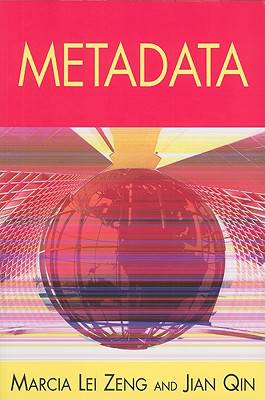
In this new, authoritative textbook, internationally recognized metadata experts Zeng and Qin have created a comprehensive primer for advanced undergraduate, graduate, or continuing education courses in information organization, information technology, cataloging, digital libraries, electronic archives, and, of course, metadata. Instructors seeking a text that covers the theory as well as the how-to's of application design, implementation, and evaluation will find it here. An outcome-based approach lets learners with different orientations adapt their new knowledge and skills to any domain. Examples and practice problems focus on tasks typical to all metadata application projects. Other useful features include sample problems with solutions, quizzes, hands-on tutorials, and a recommended reading list at the end of each chapter. A companion digital library on CD-ROM for instructors includes quizzes, answer keys, and additional exercises. An ideal classroom tool, this book works equally well for self-guided study. Individual modules can stand alone, for reference on an as-needed basis, when transitioning from traditional cataloging to compilations of metadata for locally created resources and websites, for example. Or you can study metadata systematically, module by module. Regardless of your approach, this book is the ideal guide to metadata for both students and working information professionals.
Specificaties
Betrokkenen
- Auteur(s):
- Uitgeverij:
Inhoud
- Aantal bladzijden:
- 365
- Taal:
- Engels
Eigenschappen
- Productcode (EAN):
- 9781555706357
- Verschijningsdatum:
- 1/06/2008
- Uitvoering:
- Paperback
- Formaat:
- Trade paperback (VS)
- Afmetingen:
- 152 mm x 226 mm
- Gewicht:
- 616 g


Alleen bij Standaard Boekhandel
+ 237 punten op je klantenkaart van Standaard Boekhandel
CADEAU

AANGERADEN


Beoordelingen
We publiceren alleen reviews die voldoen aan de voorwaarden voor reviews. Bekijk onze voorwaarden voor reviews.