


- Afhalen na 1 uur in een winkel met voorraad
- Gratis thuislevering in België vanaf € 30
- Ruim aanbod met 7 miljoen producten
- Afhalen na 1 uur in een winkel met voorraad
- Gratis thuislevering in België vanaf € 30
- Ruim aanbod met 7 miljoen producten





€ 100,45
+ 200 punten
Omschrijving
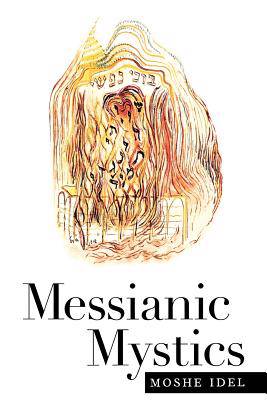
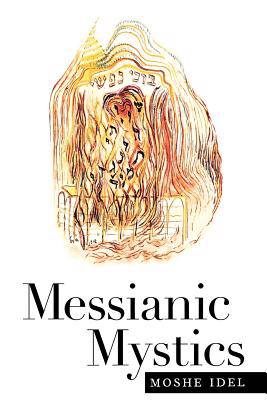
In this stimulating book, one of the world's leading scholars of Jewish thought examines the long tradition of Jewish messianism and mystical experience. Moshe Idel calls upon his profound knowledge of ancient and medieval texts and of Jewish, Christian, Islamic, and Eastern sources to uncover new perspectives on the nature and development of Jewish messianism. He shows that, contrary to Gershom Scholem's view that mysticism and messianism are incompatible religious tendencies, they are in fact closely related spiritual phenomena. Messianism regularly emerges from mystical experiences, Idel contends. Exploring the interplay of Jewish messianism and mysticism from the twelfth through the eighteenth centuries, the book looks closely at pivotal figures and movements, including Abraham Abulafia, Sabbatai Sevi, and hasidism. Idel discerns three types of messianism-theosophical-theurgical, ecstatic, and talismanic-and through these demonstrates that Kabbalah, from the very beginning, was messianically oriented. He counters the common belief that messianism typically arises as a response to such calamities as the expulsion of the Jews from Spain in 1492 and shows that messiahs often gain great popularity in times of political tranquility. Idel also finds that Jewish messianic and mystical experience bears a much greater resemblance to Christian messianism than has been recognized before.
Specificaties
Betrokkenen
- Auteur(s):
- Uitgeverij:
Inhoud
- Aantal bladzijden:
- 464
- Taal:
- Engels
Eigenschappen
- Productcode (EAN):
- 9780300082883
- Verschijningsdatum:
- 11/05/2000
- Uitvoering:
- Paperback
- Formaat:
- Trade paperback (VS)
- Afmetingen:
- 156 mm x 234 mm
- Gewicht:
- 644 g


Alleen bij Standaard Boekhandel
+ 200 punten op je klantenkaart van Standaard Boekhandel
Cadeau

AANGERADEN


Beoordelingen
We publiceren alleen reviews die voldoen aan de voorwaarden voor reviews. Bekijk onze voorwaarden voor reviews.