


- Afhalen na 1 uur in een winkel met voorraad
- Gratis thuislevering in België vanaf € 30
- Ruim aanbod met 7 miljoen producten
- Afhalen na 1 uur in een winkel met voorraad
- Gratis thuislevering in België vanaf € 30
- Ruim aanbod met 7 miljoen producten





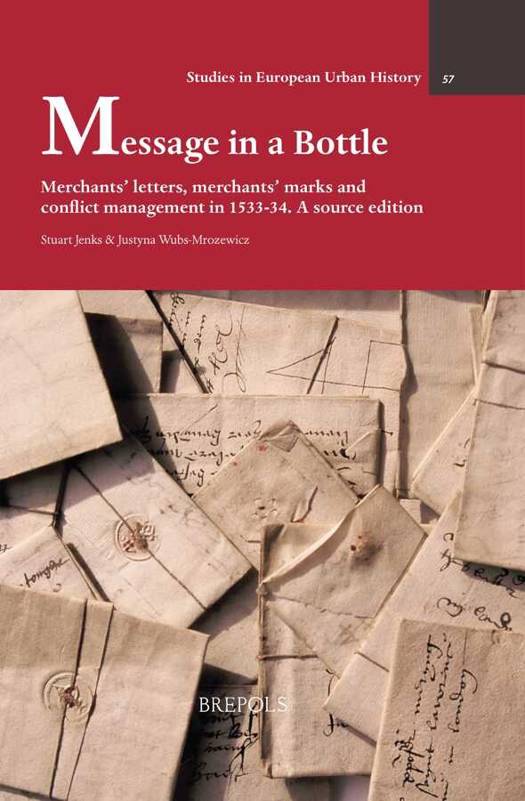
Message in a Bottle
Merchants' Letters, Merchants' Marks and Conflict Management in 1533-34. a Source Edition
Stuart Jenks, Justyna Wubs-Mrozewicz
€ 91,16
+ 182 punten
Omschrijving
In 1533, a batch of merchant letters was to be delivered from Antwerp to London. They never reached their destination, and were only opened in a Hanseatic archive almost 500 years later. Like a message in a bottle, the letters unfold unknown individual stories and large-scale drama. They offer a fascinating glimpse into the world of the early 16th century, from hard-nosed business and prices in code sent to a wife, to the fond greetings of an English father to his three young sons or a secretive message of a grandmother from Antwerp. At the backdrop, war was looming: the letters were part of a booty taken in the English Channel in August of 1533. Lubeck privateers plundered six neutral ships, carting the goods of English, Dutch, Spanish, Venetian and Hanseatic merchants off to Lubeck and Hamburg. As a result, Henry VIII of England exploded with rage and restitution claims were made. Soon after, Lubeck realized the potential political cost of the action and an administrative machinery for the return of the booty was set in motion. Extensive documentation was produced under the eye of notaries, providing an overview of properties of the involved parties, including many merchant marks. The combination of unique letters and administrative documents offers new openings into the study of economic, political and social history of pre-modern northern Europe. Highlights are the migration of people and goods, resourceful conflict management and the voice of ordinary people, captured in their letters.
Specificaties
Betrokkenen
- Auteur(s):
- Uitgeverij:
Inhoud
- Aantal bladzijden:
- 257
- Taal:
- Engels
- Reeks:
- Reeksnummer:
- nr. 57
Eigenschappen
- Productcode (EAN):
- 9782503595405
- Verschijningsdatum:
- 28/09/2022
- Uitvoering:
- Hardcover
- Formaat:
- Genaaid
- Afmetingen:
- 182 mm x 260 mm
- Gewicht:
- 748 g


Alleen bij Standaard Boekhandel
+ 182 punten op je klantenkaart van Standaard Boekhandel
Cadeau

AANGERADEN


Beoordelingen
We publiceren alleen reviews die voldoen aan de voorwaarden voor reviews. Bekijk onze voorwaarden voor reviews.