


- Afhalen na 1 uur in een winkel met voorraad
- Gratis thuislevering in België vanaf € 30
- Ruim aanbod met 7 miljoen producten
- Afhalen na 1 uur in een winkel met voorraad
- Gratis thuislevering in België vanaf € 30
- Ruim aanbod met 7 miljoen producten





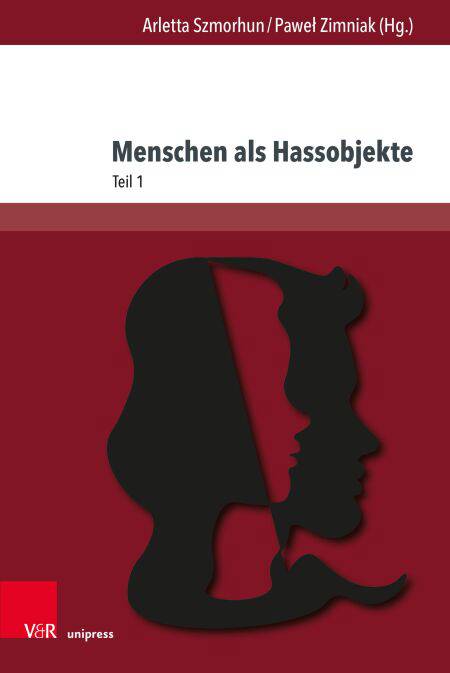
Menschen als Hassobjekte E-BOOK
Interdisziplinäre Verhandlungen eines destruktiven Phänomens, Teil 1
€ 55,00
+ 55 punten
Omschrijving
›Hassspiele‹ werden nicht nur in Zeiten von Kriegen und Revolutionen getrieben. Sie stellen auch in Friedenszeiten einen Normal- und zugleich Grenzfall menschlicher Kommunikation dar, der affektive Dynamiken des gesellschaftlichen Miteinanders sichtbar werden lässt. Am Beispiel literatur-, kultur- und sprachwissenschaftlicher Analysen wird einerseits gezeigt, wie durch Hassbesessenheit ganze Existenzen, Individuen und Kollektive, ihre Kulturen, Werte, Beziehungen und Heimatorte inter- und intrakulturell beschädigt und vernichtet werden (können). Andererseits werden Akzente gesetzt, die verdeutlichen, dass der Bildung von Hasskollektiven affektive Gruppenbildungen gegenüberstehen, die sich gegen den Hass wenden, sodass der hassgesteuerten Kommunikation und Interaktion auch eine produktive Solidarisierungskomponente abzugewinnen ist.
Hate-based 'grudge matches' are not only played during periods of wars and revolutions. Even in peacetime, they represent a normal but at the same time a borderline case of human communication, which reveals the affective dynamics of social interaction. If one thinks of the human emotional balance, hatred is considered as a type of devastating 'mental reality' that releases destructive energies and creates relational-performative worlds that flout all compassion and human decency. On the one hand, by means of literary, cultural and linguistic analyses, it is shown how the entire existence of an individual or a group and, as a result, their cultures, values, relationships and hometowns are (or can be) damaged and destroyed on intercultural and intracultural basis through obsession with hatred. On the other hand, when dealing with the hate phenomenon, important points of emphasis are placed in order to clarify that the formation of hate collectives faces at the same time the formation of affective groups that turn against this phenomenon.
Hate-based 'grudge matches' are not only played during periods of wars and revolutions. Even in peacetime, they represent a normal but at the same time a borderline case of human communication, which reveals the affective dynamics of social interaction. If one thinks of the human emotional balance, hatred is considered as a type of devastating 'mental reality' that releases destructive energies and creates relational-performative worlds that flout all compassion and human decency. On the one hand, by means of literary, cultural and linguistic analyses, it is shown how the entire existence of an individual or a group and, as a result, their cultures, values, relationships and hometowns are (or can be) damaged and destroyed on intercultural and intracultural basis through obsession with hatred. On the other hand, when dealing with the hate phenomenon, important points of emphasis are placed in order to clarify that the formation of hate collectives faces at the same time the formation of affective groups that turn against this phenomenon.
Specificaties
Betrokkenen
- Uitgeverij:
Inhoud
- Aantal bladzijden:
- 284
- Taal:
- Duits
- Reeks:
Eigenschappen
- Productcode (EAN):
- 9783847014836
- Verschijningsdatum:
- 10/07/2022
- Uitvoering:
- E-book
- Formaat:


Alleen bij Standaard Boekhandel
+ 55 punten op je klantenkaart van Standaard Boekhandel
Cadeau

AANGERADEN


Beoordelingen
We publiceren alleen reviews die voldoen aan de voorwaarden voor reviews. Bekijk onze voorwaarden voor reviews.