


- Afhalen na 1 uur in een winkel met voorraad
- Gratis thuislevering in België vanaf € 30
- Ruim aanbod met 7 miljoen producten
- Afhalen na 1 uur in een winkel met voorraad
- Gratis thuislevering in België vanaf € 30
- Ruim aanbod met 7 miljoen producten





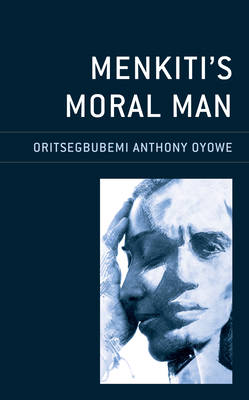
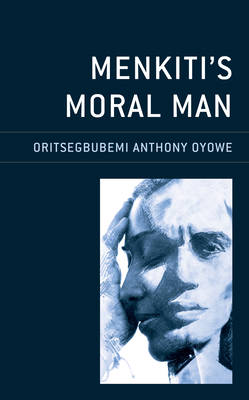
Menkiti's Moral Man
Oritsegbubemi Anthony Oyowe
€ 186,95
+ 373 punten
Omschrijving
In Menkiti's Moral Man, Oritsegbubemi Anthony Oyowe offers an original interpretation of Ifeanyi Menkiti's conception of person, one that has significant implications for his metaphysics and moral philosophy. Menkiti holds that one is not born a person but becomes a person in a linguistic and cultural community, denies that the mere possession of intrinsic properties makes one a person, and maintains that personhood is defined by the community. This last process consists in the community socially recognizing as person one who has been incorporated into society and has successfully carried out a range of obligations linked to social roles and positions. On the one hand, Oyowe clarifies the role of intrinsic properties in Menkiti's account by arguing that for Menkiti, moral agency and personhood do not coincide. One is a moral agent but not a person in virtue of being rational, free, and endowed with a moral personality. On the other hand, he clarifies the sense in which the community makes one a person by drawing on principles of social ontology to explain how by adopting certain attitudes and practices a community constitutes its members as persons.This interpretation has the potential to illuminate a range of problems raised in response to Menkiti's conception of person.
Specificaties
Betrokkenen
- Auteur(s):
- Uitgeverij:
Inhoud
- Aantal bladzijden:
- 224
- Taal:
- Engels
- Reeks:
Eigenschappen
- Productcode (EAN):
- 9781793615831
- Verschijningsdatum:
- 31/03/2022
- Uitvoering:
- Hardcover
- Formaat:
- Genaaid
- Afmetingen:
- 152 mm x 229 mm
- Gewicht:
- 498 g


Alleen bij Standaard Boekhandel
+ 373 punten op je klantenkaart van Standaard Boekhandel
Cadeau

AANGERADEN


Beoordelingen
We publiceren alleen reviews die voldoen aan de voorwaarden voor reviews. Bekijk onze voorwaarden voor reviews.