


- Afhalen na 1 uur in een winkel met voorraad
- Gratis thuislevering in België vanaf € 30
- Ruim aanbod met 7 miljoen producten
- Afhalen na 1 uur in een winkel met voorraad
- Gratis thuislevering in België vanaf € 30
- Ruim aanbod met 7 miljoen producten





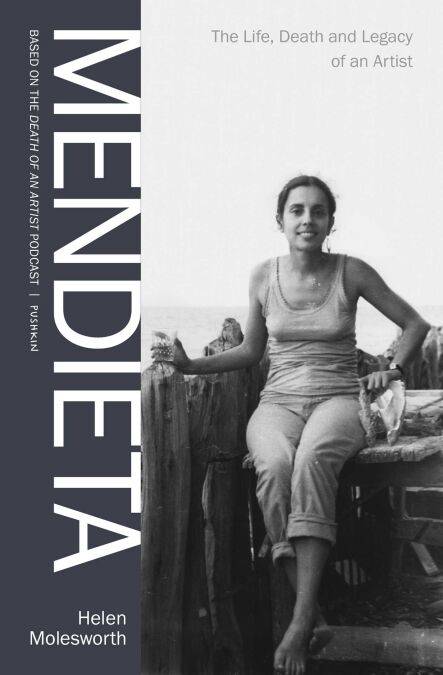
Mendieta E-BOOK
The Life, Death and Legacy of an Artist
Helen Molesworth, Pushkin Industries
E-book | Engels
€ 19,00
+ 19 punten
Omschrijving
Based on the highly acclaimed Death of an Artist podcast, this is the story of the shocking death the art world tried to forget.
On September 8, 1985, rising Cuban-American artist Ana Mendieta fell to her death from the 34th floor of a Greenwich Village apartment she shared with her husband, renowned minimalist sculptor Carl Andre. Was it suicide, accident, or murder? For forty years, the art world has maintained an uneasy silence around this shocking tragedy.
Based on the acclaimed podcast series, Mendieta presents the first comprehensive examination of Mendieta's life, death, and the controversial trial that followed. Ana Mendieta was a groundbreaking artist whose radical earth-body works explored themes of displacement, identity, and violence. Having fled Cuba as a child, she channeled her experiences of exile into powerful performances that merged her body with the landscape, establishing herself as a singular voice in 1970s feminist and conceptual art.
Yet Mendieta's artistic achievements have long been overshadowed by the circumstances of her death and Carl Andre's acquittal in 1988. Drawing on interviews, court transcripts, and archival materials, this book reveals how the art establishment's desire to separate "art from artist" enabled a culture of complicity and silence.
This is both a gripping investigation and a long-overdue reckoning with how the art world failed one of its most promising talents—essential reading for anyone interested in contemporary art, feminist history, or the pursuit of justice where power and privilege intersect with tragedy.
On September 8, 1985, rising Cuban-American artist Ana Mendieta fell to her death from the 34th floor of a Greenwich Village apartment she shared with her husband, renowned minimalist sculptor Carl Andre. Was it suicide, accident, or murder? For forty years, the art world has maintained an uneasy silence around this shocking tragedy.
Based on the acclaimed podcast series, Mendieta presents the first comprehensive examination of Mendieta's life, death, and the controversial trial that followed. Ana Mendieta was a groundbreaking artist whose radical earth-body works explored themes of displacement, identity, and violence. Having fled Cuba as a child, she channeled her experiences of exile into powerful performances that merged her body with the landscape, establishing herself as a singular voice in 1970s feminist and conceptual art.
Yet Mendieta's artistic achievements have long been overshadowed by the circumstances of her death and Carl Andre's acquittal in 1988. Drawing on interviews, court transcripts, and archival materials, this book reveals how the art establishment's desire to separate "art from artist" enabled a culture of complicity and silence.
This is both a gripping investigation and a long-overdue reckoning with how the art world failed one of its most promising talents—essential reading for anyone interested in contemporary art, feminist history, or the pursuit of justice where power and privilege intersect with tragedy.
Specificaties
Betrokkenen
- Auteur(s):
- Uitgeverij:
Inhoud
- Aantal bladzijden:
- 192
- Taal:
- Engels
Eigenschappen
- Productcode (EAN):
- 9798893311839
- Verschijningsdatum:
- 1/02/2027
- Uitvoering:
- E-book
- Beveiligd met:
- Adobe DRM
- Formaat:
- ePub



Alleen bij Standaard Boekhandel
+ 19 punten op je klantenkaart van Standaard Boekhandel
Cadeau

AANGERADEN


Beoordelingen
We publiceren alleen reviews die voldoen aan de voorwaarden voor reviews. Bekijk onze voorwaarden voor reviews.