


- Afhalen na 1 uur in een winkel met voorraad
- Gratis thuislevering in België vanaf € 30
- Ruim aanbod met 7 miljoen producten
- Afhalen na 1 uur in een winkel met voorraad
- Gratis thuislevering in België vanaf € 30
- Ruim aanbod met 7 miljoen producten





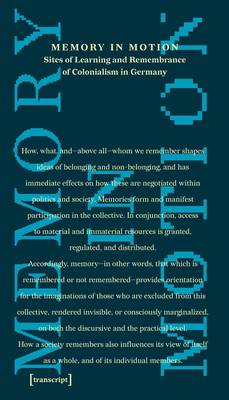
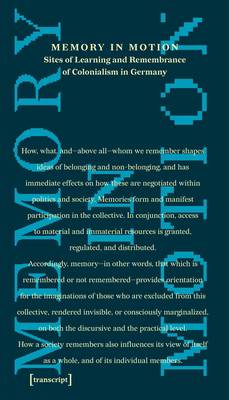
Memory in Motion - Sites of Learning and Remembrance of Colonialism in Germany
€ 39,45
+ 78 punten
Omschrijving
Debates on cultures of remembrance are repeatedly at the center of contestation in Germany. The mandate to anchor remembrance and critical engagement with histories of injustice and violence in Germany's past within collective and public commemoration remains undisputed. At the same time, remembrance of Germany's three decades of colonial rule continues to be treated as peripheral. To date, there is no official national site of learning and remembrance dedicated to German colonialism. The publication Memory in Motion documents an eponymous two-year process in which an international network of experts from academia, activism, art, architecture, civil society, museums, cultural heritage and the public sector, engaged with the enduring effects of what is often referred to as »colonial amnesia.« The network shared perspectives and developed ideas regarding the potential creation of one or several sites of learning and remembrance dedicated to colonialism in Germany.
Specificaties
Betrokkenen
- Uitgeverij:
Inhoud
- Aantal bladzijden:
- 300
- Taal:
- Engels
- Reeks:
Eigenschappen
- Productcode (EAN):
- 9783837680683
- Verschijningsdatum:
- 27/08/2026
- Uitvoering:
- Paperback
- Formaat:
- Trade paperback (VS)
- Afmetingen:
- 280 mm x 160 mm

Alleen bij Standaard Boekhandel
+ 78 punten op je klantenkaart van Standaard Boekhandel
Cadeau

AANGERADEN


Beoordelingen
We publiceren alleen reviews die voldoen aan de voorwaarden voor reviews. Bekijk onze voorwaarden voor reviews.