Standaard Boekhandel gebruikt cookies en gelijkaardige technologieën om de website goed te laten werken en je een betere surfervaring te bezorgen.
Hieronder kan je kiezen welke cookies je wilt inschakelen:
Technische en functionele cookies
Deze cookies zijn essentieel om de website goed te laten functioneren, en laten je toe om bijvoorbeeld in te loggen. Je kan deze cookies niet uitschakelen.
Analytische cookies
Deze cookies verzamelen anonieme informatie over het gebruik van onze website. Op die manier kunnen we de website beter afstemmen op de behoeften van de gebruikers.
Marketingcookies
Deze cookies delen je gedrag op onze website met externe partijen, zodat je op externe platformen relevantere advertenties van Standaard Boekhandel te zien krijgt.
Bedankt voor het vertrouwen het afgelopen jaar! Om jou te bedanken bieden we GRATIS verzending (in België) aan op alles gedurende de hele maand januari.
Afhalen na 1 uur in een winkel met voorraad
In januari gratis thuislevering in België
Ruim aanbod met 7 miljoen producten
Bedankt voor het vertrouwen het afgelopen jaar! Om jou te bedanken bieden we GRATIS verzending (in België) aan op alles gedurende de hele maand januari.
Je kan maximaal 250 producten tegelijk aan je winkelmandje toevoegen. Verwijdere enkele producten uit je winkelmandje, of splits je bestelling op in meerdere bestellingen.
In januari gratis thuislevering in België (via bpost)
Gratis levering in je Standaard Boekhandel
Omschrijving
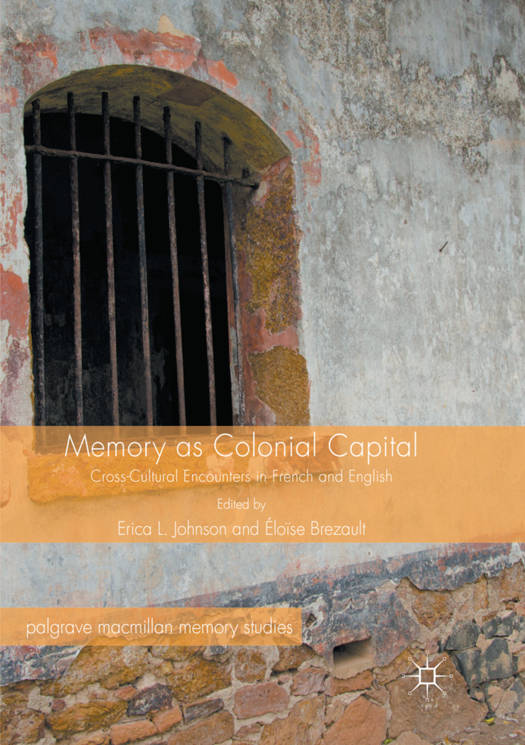
This volume examines the ways that writers from the Caribbean, Africa, and the U.S. theorize and employ postcolonial memory in ways that expose or challenge colonial narratives of the past, and shows how memory assumes particular forms and values in post/colonial contexts in twenty and twenty-first-century works. The problem of contested memory and colonial history continues to be an urgent and timely issue, as colonial history has served to crush, erase and manipulate collective and individual memories. Indeed, the most powerful mechanism of colonial discourse is that which alters and silences local histories and even individuals' memories in service to colonial authority. Johnson and Brezault work to contextualize the politics of writing memory in the shadow of colonial history, creating a collection that pioneers a postcolonial turn in cultural memory studies suitable for scholars interested in cultural memory, postcolonial, Francophone and ethnic studies. Includes a foreword by Marianne Hirsch.