


- Afhalen na 1 uur in een winkel met voorraad
- Gratis thuislevering in België vanaf € 30
- Ruim aanbod met 7 miljoen producten
- Afhalen na 1 uur in een winkel met voorraad
- Gratis thuislevering in België vanaf € 30
- Ruim aanbod met 7 miljoen producten





€ 121,90
+ 243 punten
Omschrijving
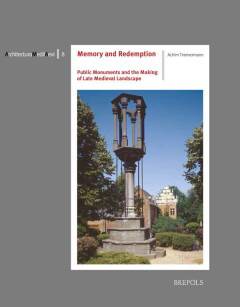
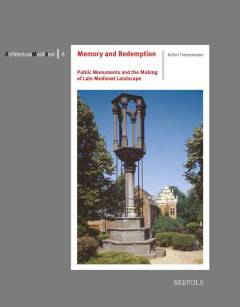
Erected in large numbers from about 1200 onwards, and featuring increasingly sophisticated designs, wayside crosses and other edifices in the public sphere - such as fountains, pillories and boundary markers - constituted the largest network of images and monuments in the late medieval world. Not only were they everywhere, they were also seen by nearly everyone, because large sections of the populace were constantly on the move. Carrying an entire spectrum of religious, folkloric and judicial beliefs, these monuments were indeed at the very heart of late medieval life. This is the first critical study of these fascinating and rich structures written by a medievalist art historian. Focusing on the territories of the former Holy Roman Empire, this investigation considers such important edifices as the towering wayside crosses of Wiener Neustadt and Brno or the elaborate pillories of Kasteelbrakel and Wroclaw, though less ostentatious works such as the Bildstöcke of Franconia and Carinthia or the high crosses of Westphalia and the Rhineland are equally examined. In addition, the study looks at the homiletic, literary, devotional and artistic imagination, in which wayside crosses and other such structures helped constitute a spiritual and allegorical landscape that very much complemented and put pressure on the physical landscapes traversed and inhabited by the contemporary public.
Specificaties
Betrokkenen
- Auteur(s):
- Uitgeverij:
Inhoud
- Aantal bladzijden:
- 427
- Taal:
- Engels
- Reeks:
- Reeksnummer:
- nr. 8
Eigenschappen
- Productcode (EAN):
- 9782503546520
- Verschijningsdatum:
- 26/09/2017
- Uitvoering:
- Paperback
- Formaat:
- Trade paperback (VS)
- Afmetingen:
- 221 mm x 277 mm
- Gewicht:
- 1700 g


Alleen bij Standaard Boekhandel
+ 243 punten op je klantenkaart van Standaard Boekhandel
Cadeau

AANGERADEN


Beoordelingen
We publiceren alleen reviews die voldoen aan de voorwaarden voor reviews. Bekijk onze voorwaarden voor reviews.