


- Afhalen na 1 uur in een winkel met voorraad
- Gratis thuislevering in België vanaf € 30
- Ruim aanbod met 7 miljoen producten
- Afhalen na 1 uur in een winkel met voorraad
- Gratis thuislevering in België vanaf € 30
- Ruim aanbod met 7 miljoen producten





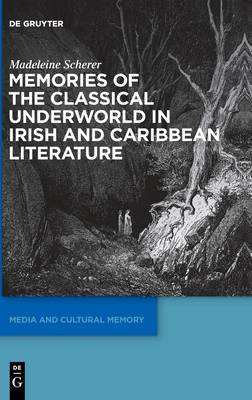
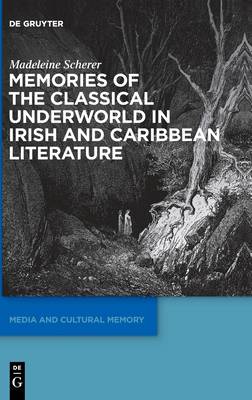
Memories of the Classical Underworld in Irish and Caribbean Literature
Madeleine Scherer
€ 128,45
+ 256 punten
Omschrijving
Classical Memories is an intervention into the field of adaptation studies, taking the example of classical reception to show that adaptation is a process that can be driven by and produce intertextual memories. I see 'classical memories' as a memory-driven type of adaptation that draws on and reproduces schematic and otherwise de-contextualised conceptions of antiquity and its cultural 'exports' in, broadly speaking, the twentieth and twenty-first centuries. These memory-driven adaptations differ, often in significant ways, from more traditional adaptations that seek to either continue or deconstruct a long-running tradition that can be traced back to antiquity as well as its canonical points of reception in later ages. When investigating such a popular and widespread set of narratives, characters, and images like those that remain of Graeco-Roman antiquity, terms like 'adaptation' and 'reception' could and should be nuanced further to allow us to understand the complex interactions between modern works and classical antiquity in more detail, particularly when it pertains to postcolonial or post-digital classical reception. In Classical Memories, I propose that understanding certain types of adaptations as intertextual memories allows us to do just that.
Specificaties
Betrokkenen
- Auteur(s):
- Uitgeverij:
Inhoud
- Aantal bladzijden:
- 323
- Taal:
- Engels
- Reeks:
- Reeksnummer:
- nr. 31
Eigenschappen
- Productcode (EAN):
- 9783110673883
- Verschijningsdatum:
- 20/09/2021
- Uitvoering:
- Hardcover
- Formaat:
- Genaaid
- Afmetingen:
- 156 mm x 234 mm
- Gewicht:
- 680 g


Alleen bij Standaard Boekhandel
+ 256 punten op je klantenkaart van Standaard Boekhandel
Cadeau

AANGERADEN


Beoordelingen
We publiceren alleen reviews die voldoen aan de voorwaarden voor reviews. Bekijk onze voorwaarden voor reviews.