


- Afhalen na 1 uur in een winkel met voorraad
- Gratis thuislevering in België vanaf € 30
- Ruim aanbod met 7 miljoen producten
- Afhalen na 1 uur in een winkel met voorraad
- Gratis thuislevering in België vanaf € 30
- Ruim aanbod met 7 miljoen producten





€ 197,45
+ 394 punten
Omschrijving
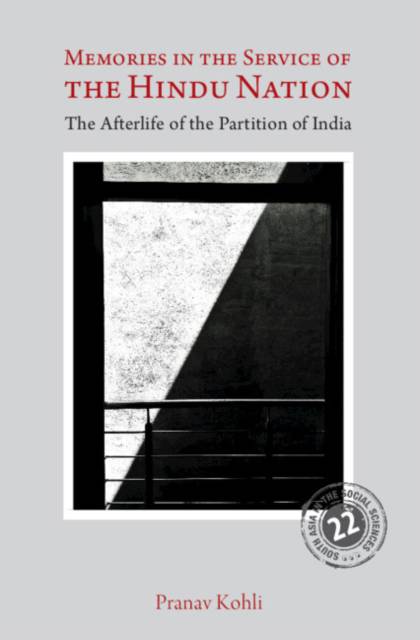
This book is based on fourteen months of ethnographic fieldwork with Partition survivors from west Punjab and the North-West Frontier Province, in Delhi and its surroundings between 2017-18. It locates the global rise of far-right nationalism within globalisation and memories of victimhood. Focussing on Hindu nationalism in India, this book is an important and timely contribution to the literature on South Asian Partition Studies that shows how tragedy begets tragedy. It tries to answer an urgent, provocative but nevertheless necessary question: 'What does it mean to remember the Partition in the time of fascism?' The author shows what makes up cycles of violence by connecting the reinscription of trauma in Partition memories to the self-serving justifications of the contemporary violence of Hindu nationalism. It analyses how the hegemony of Hindu nationalism has structured the narratives of Hindu Partition survivors and recruited them in service of a putative Hindu nation.
Specificaties
Betrokkenen
- Auteur(s):
- Uitgeverij:
Inhoud
- Aantal bladzijden:
- 388
- Taal:
- Engels
- Reeks:
Eigenschappen
- Productcode (EAN):
- 9781009318686
- Verschijningsdatum:
- 16/11/2023
- Uitvoering:
- Hardcover
- Formaat:
- Genaaid
- Afmetingen:
- 158 mm x 236 mm
- Gewicht:
- 635 g


Alleen bij Standaard Boekhandel
+ 394 punten op je klantenkaart van Standaard Boekhandel
Cadeau

AANGERADEN


Beoordelingen
We publiceren alleen reviews die voldoen aan de voorwaarden voor reviews. Bekijk onze voorwaarden voor reviews.